
Hats
PRODUCT COLLECTIONS
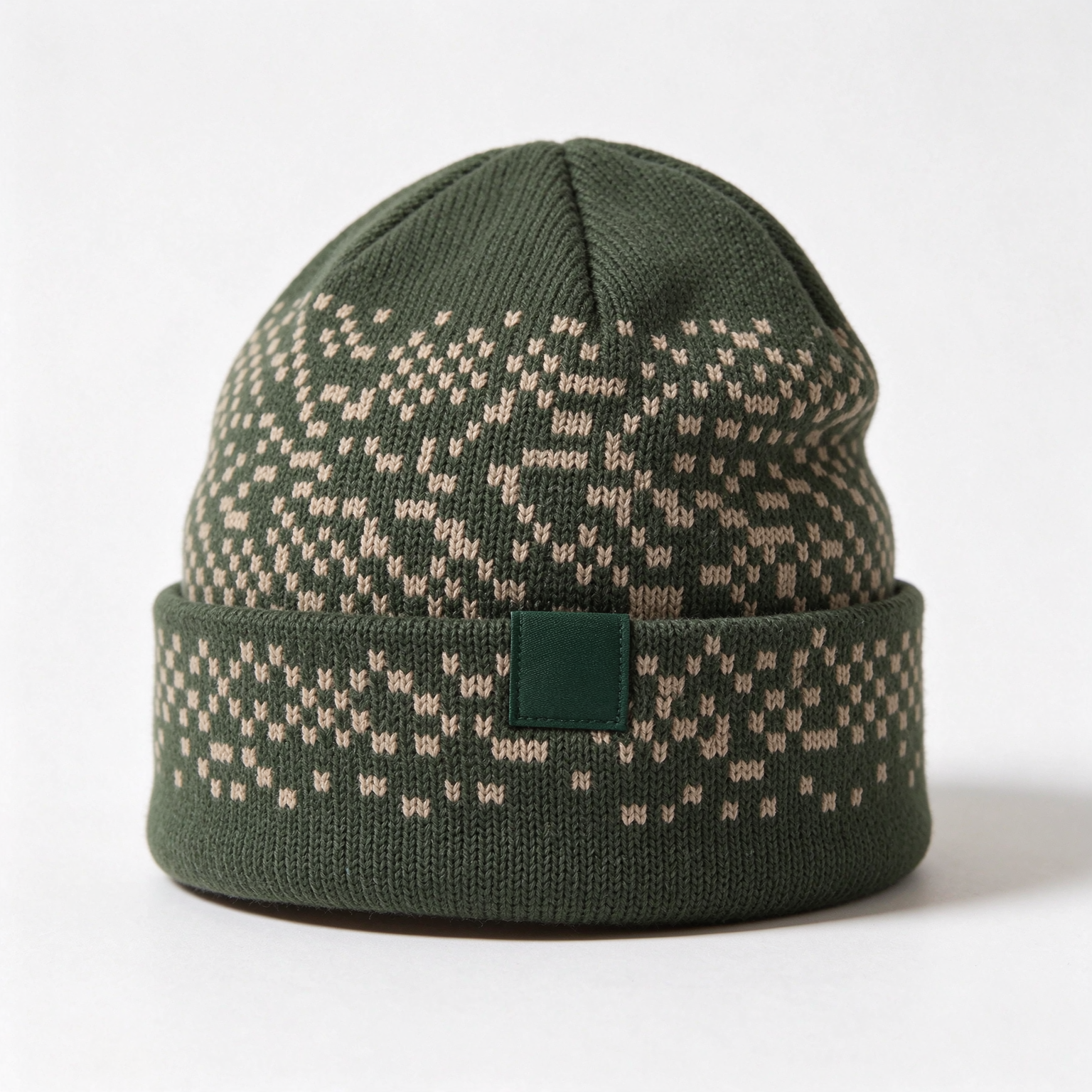
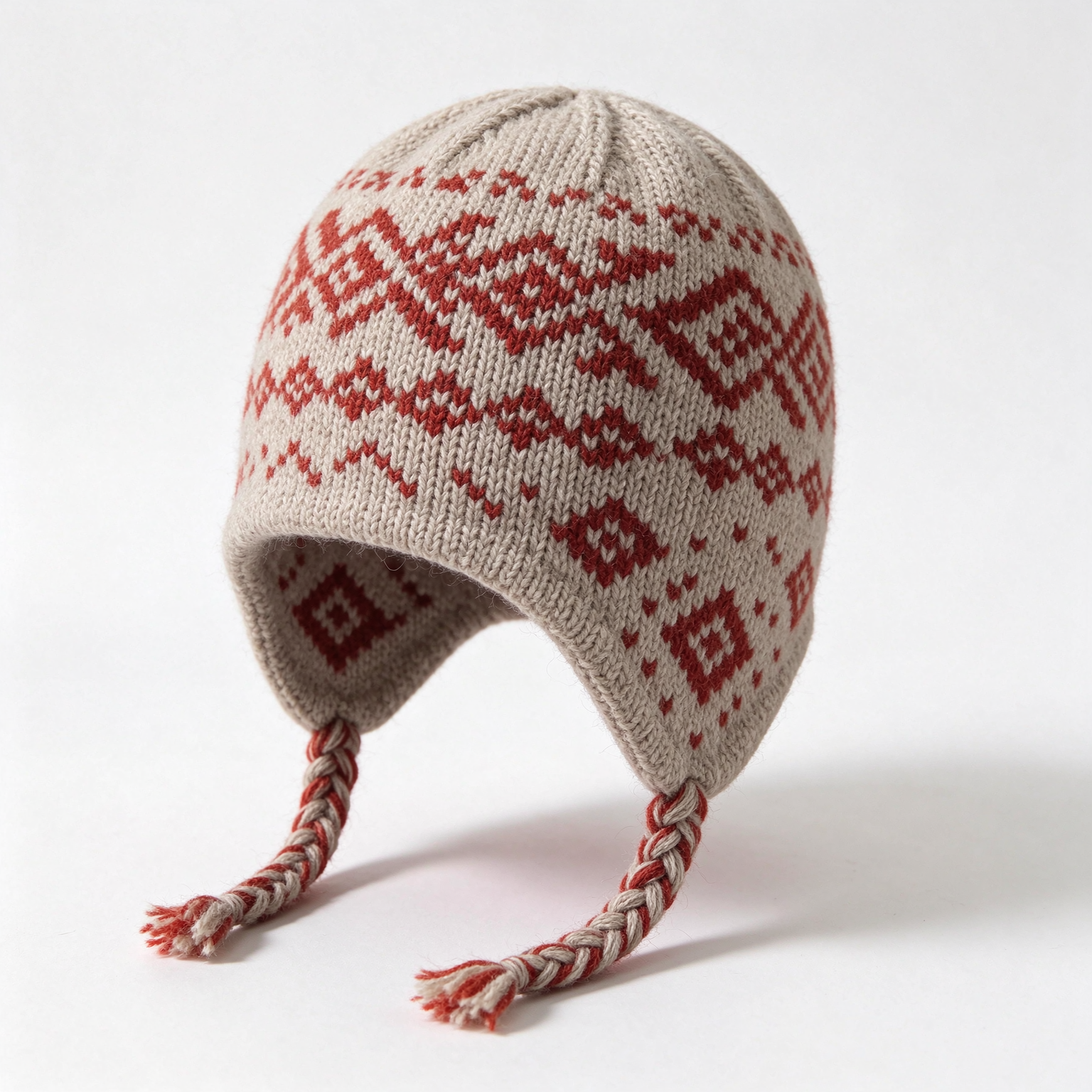
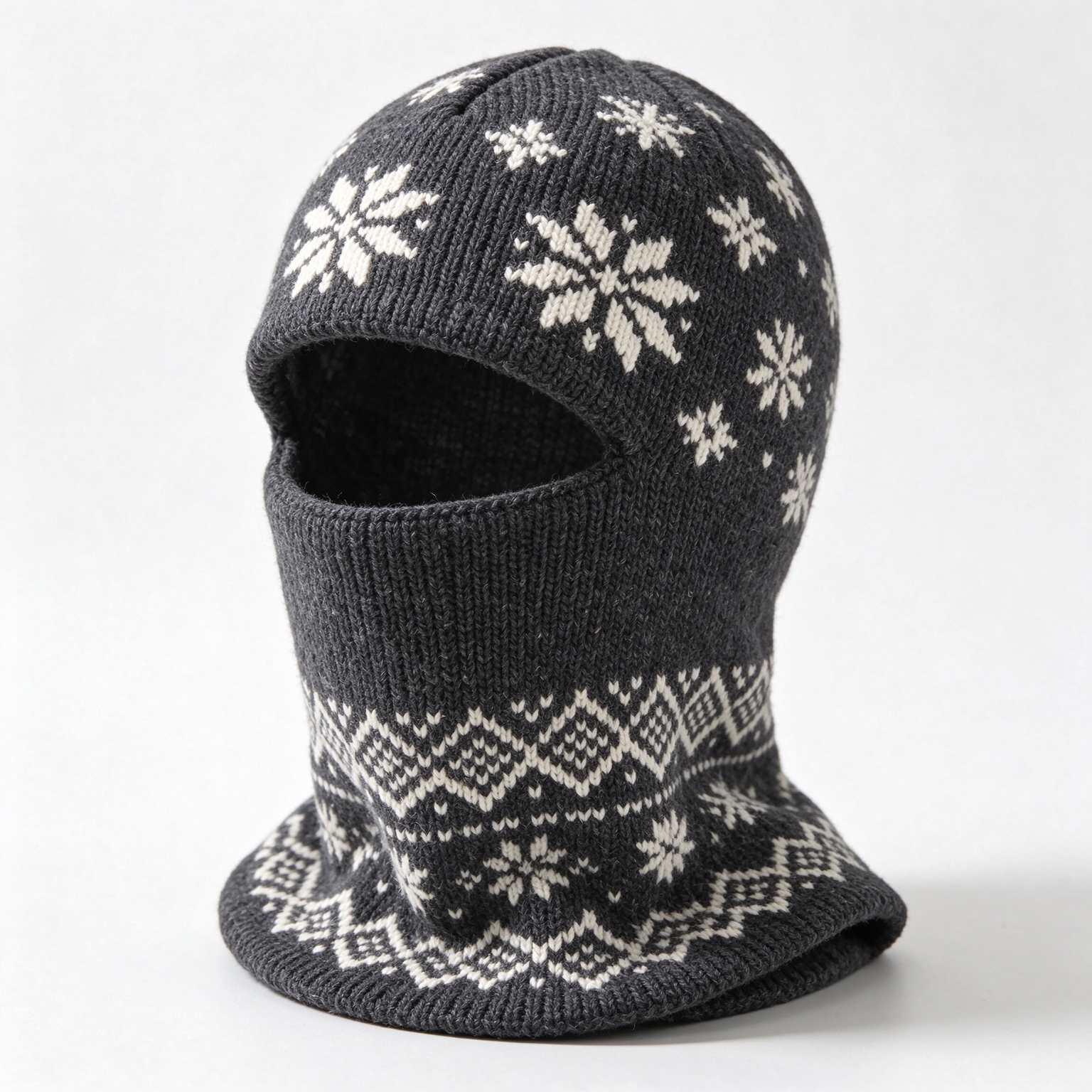
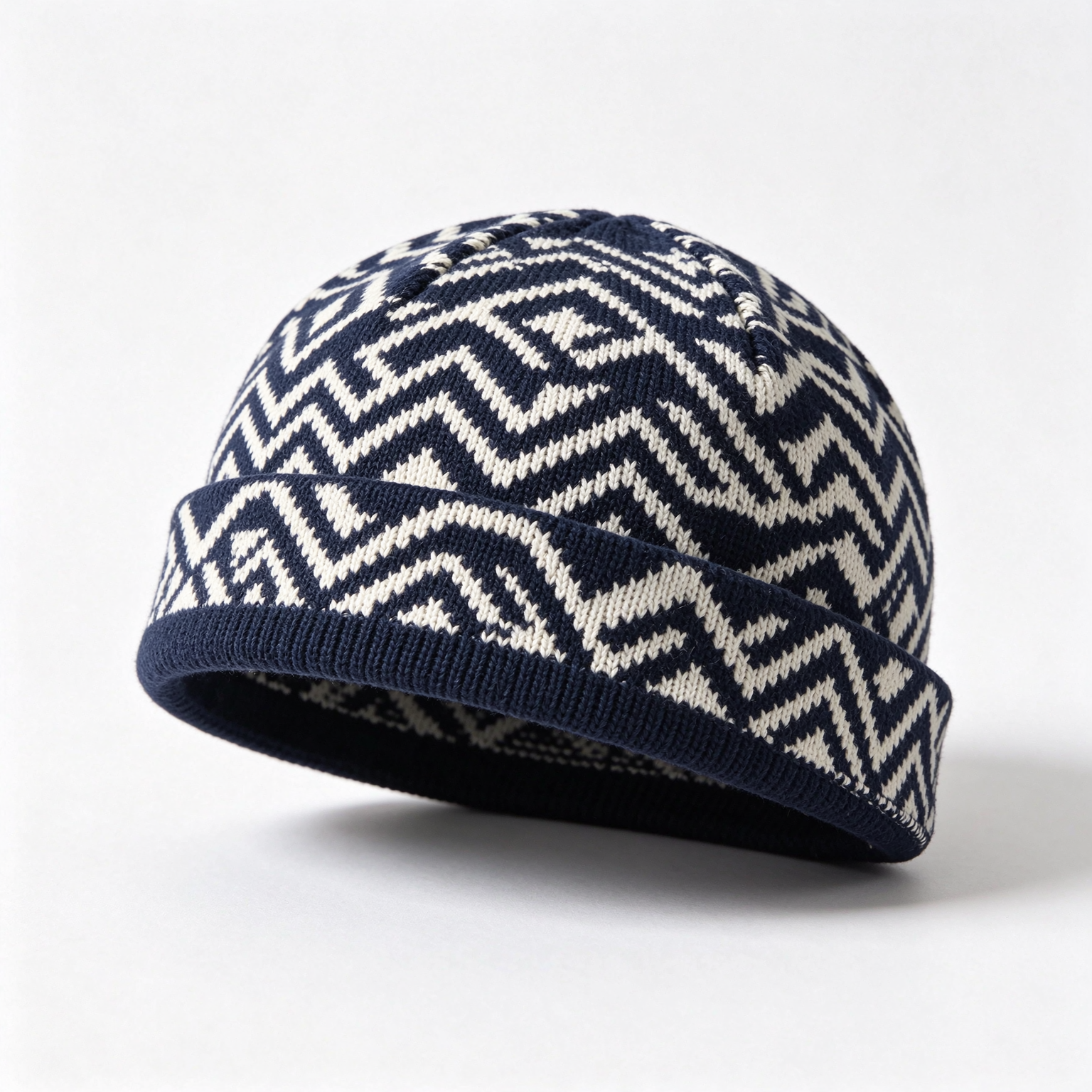
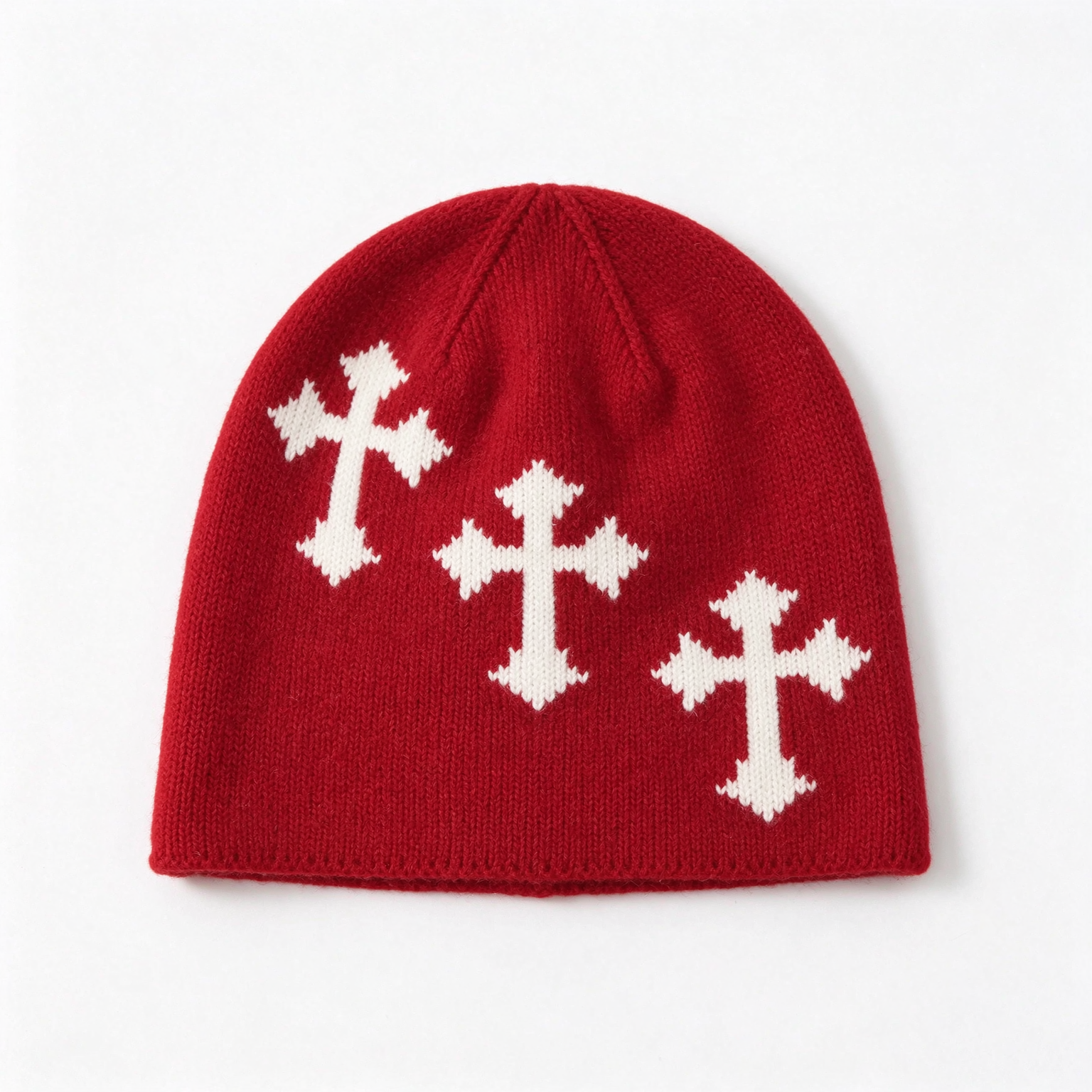
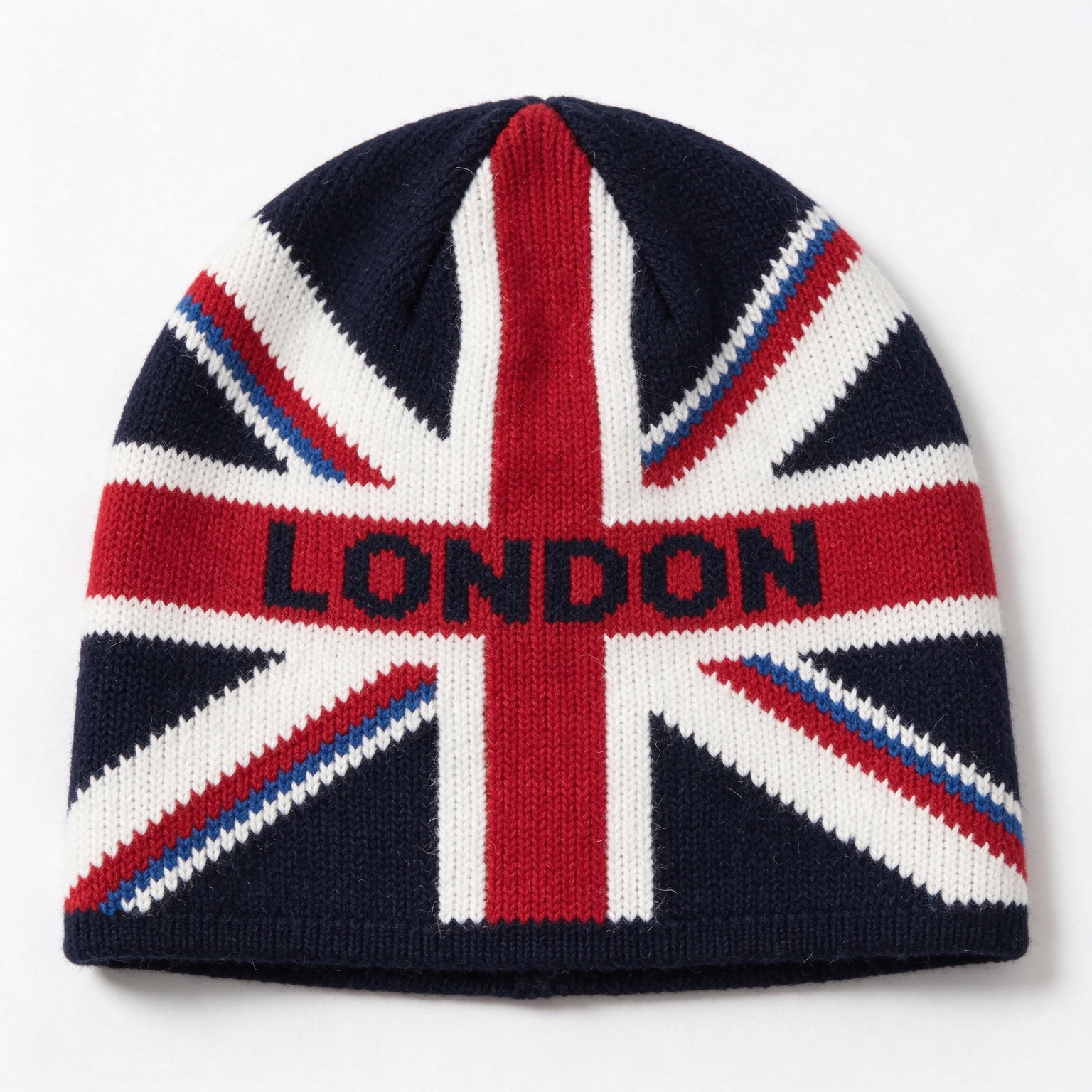
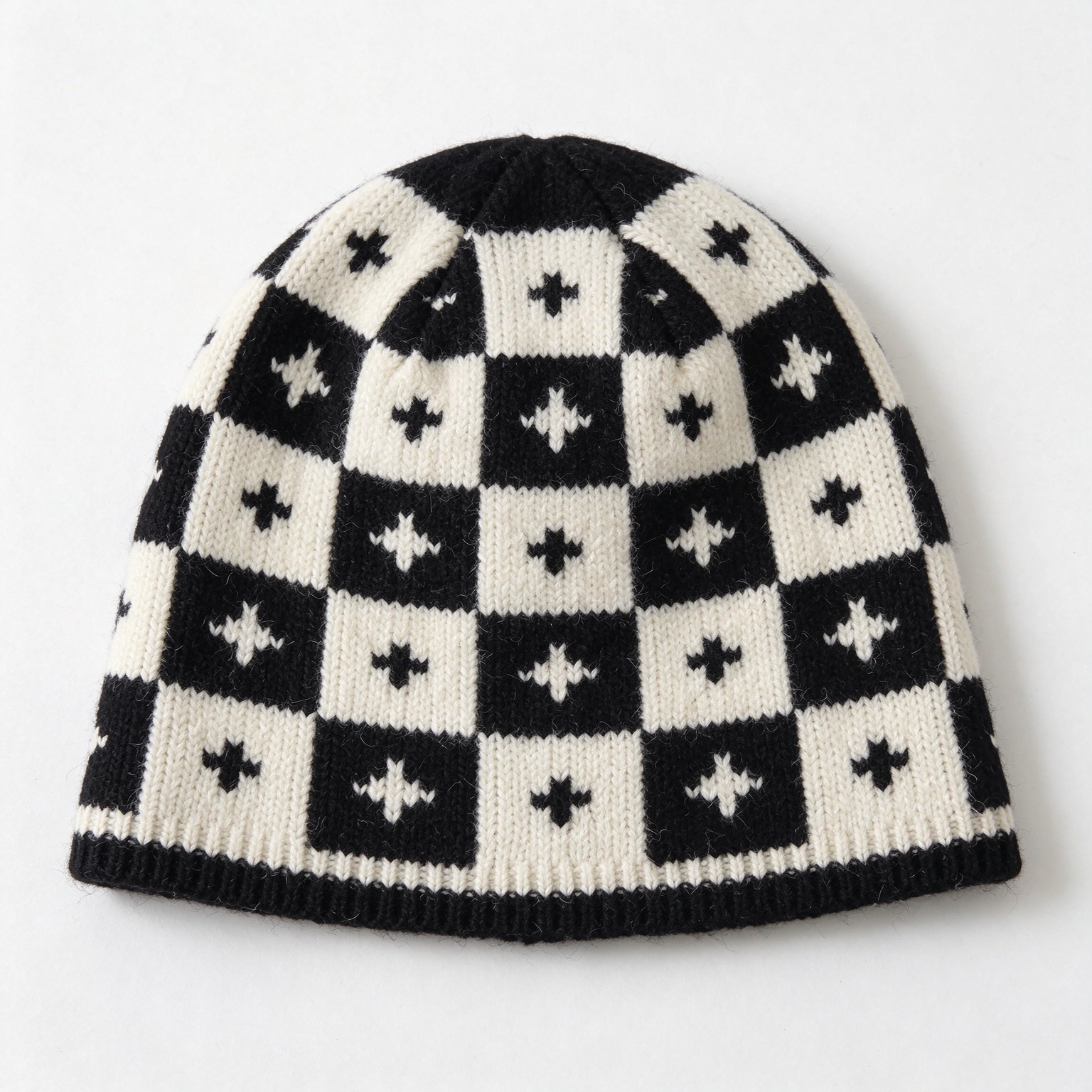
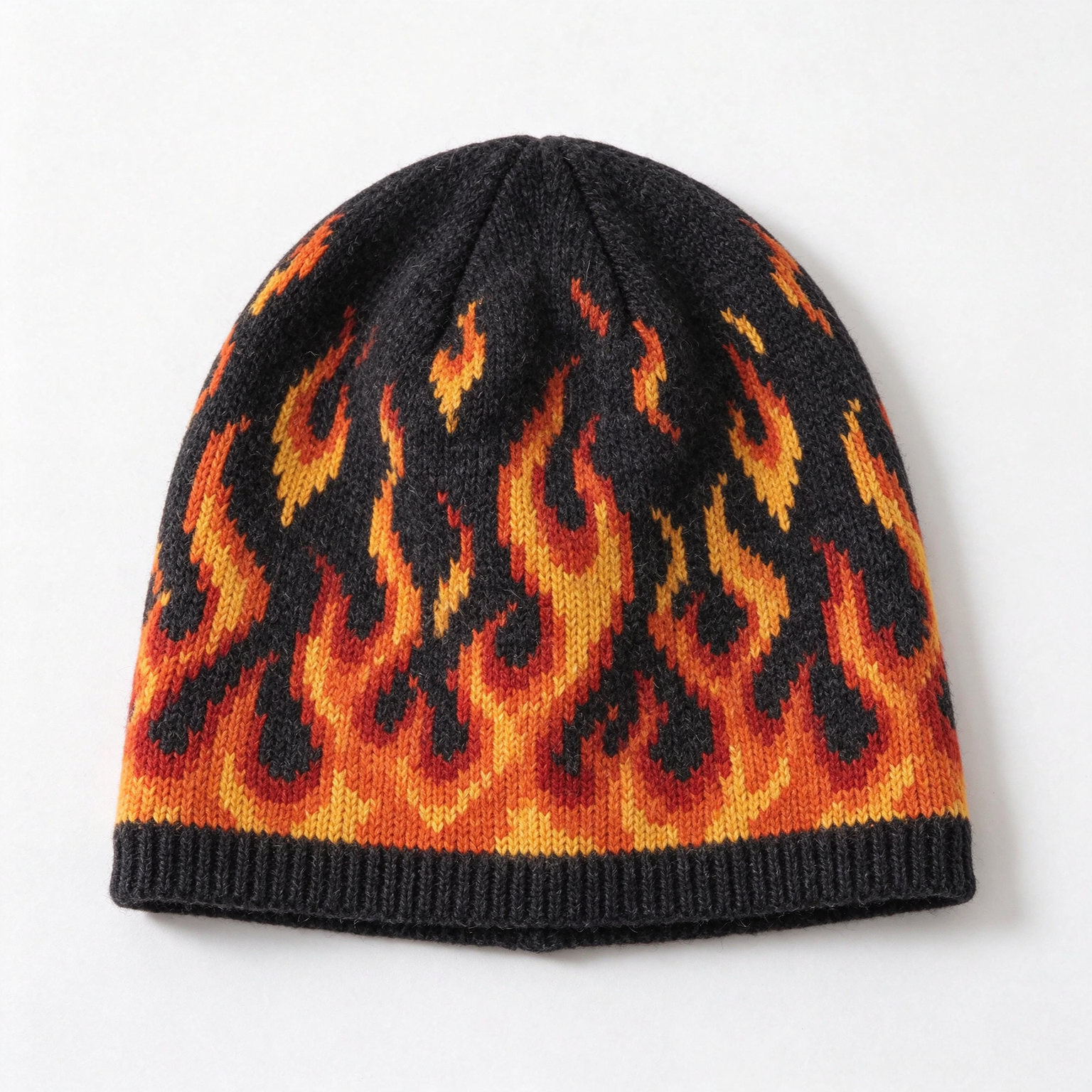
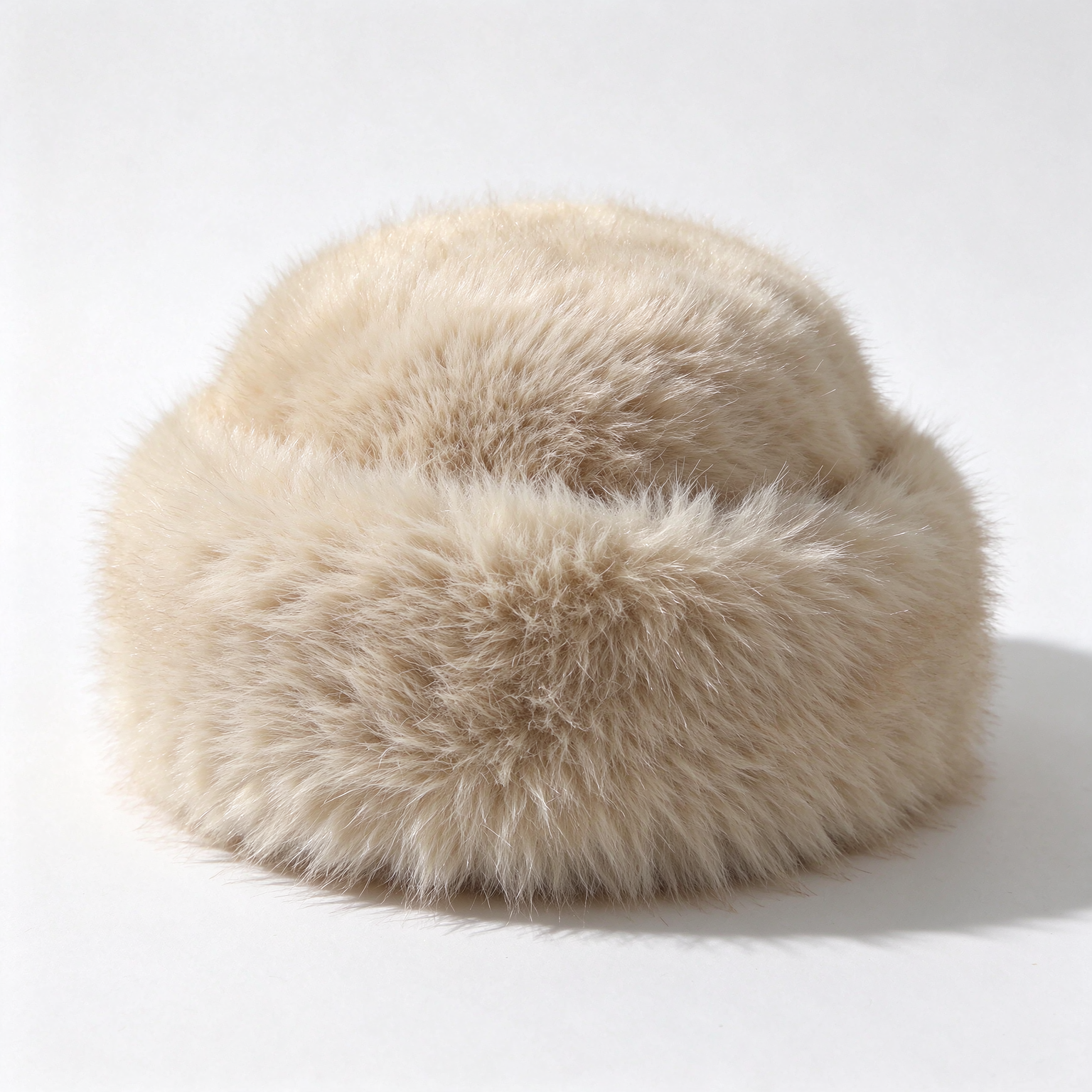
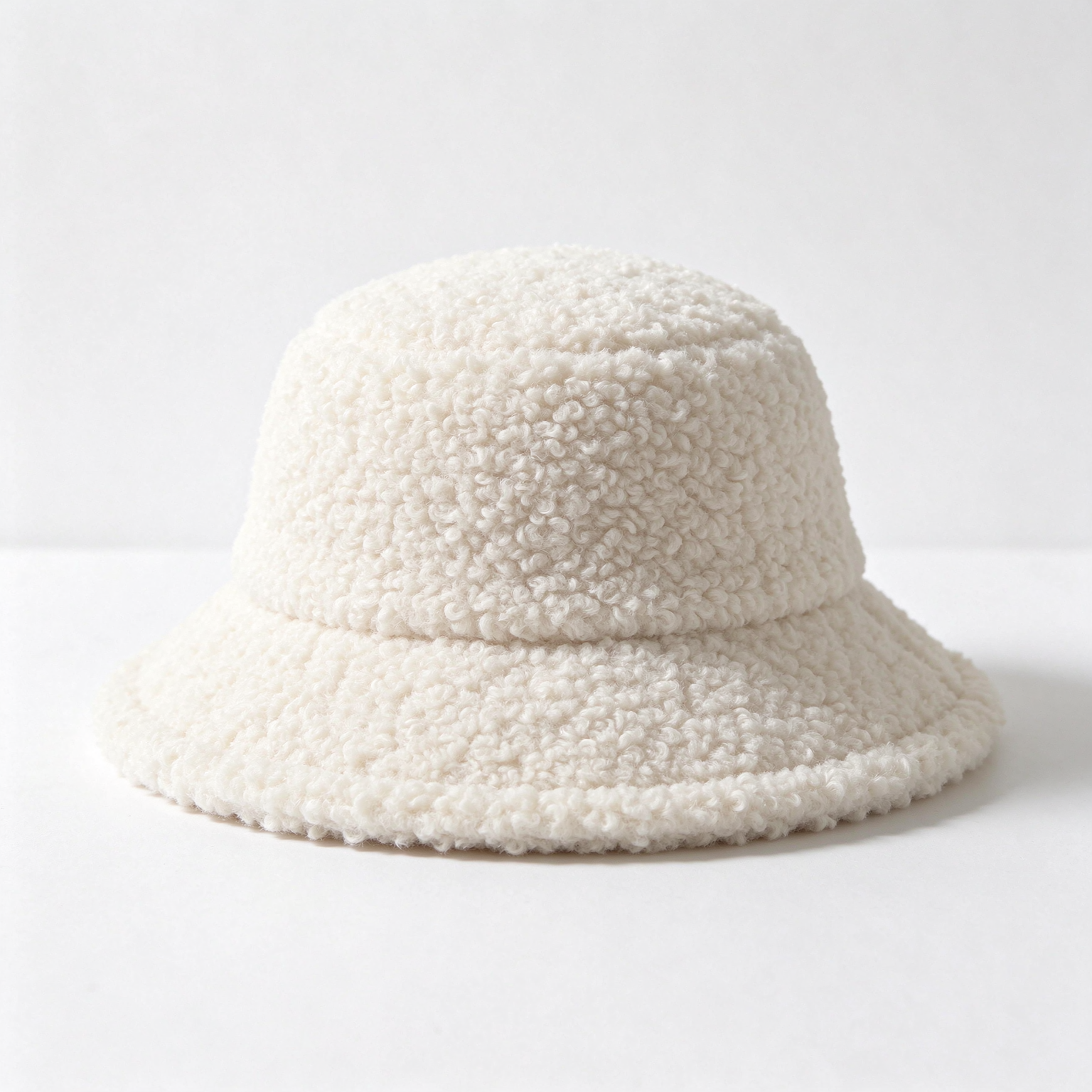
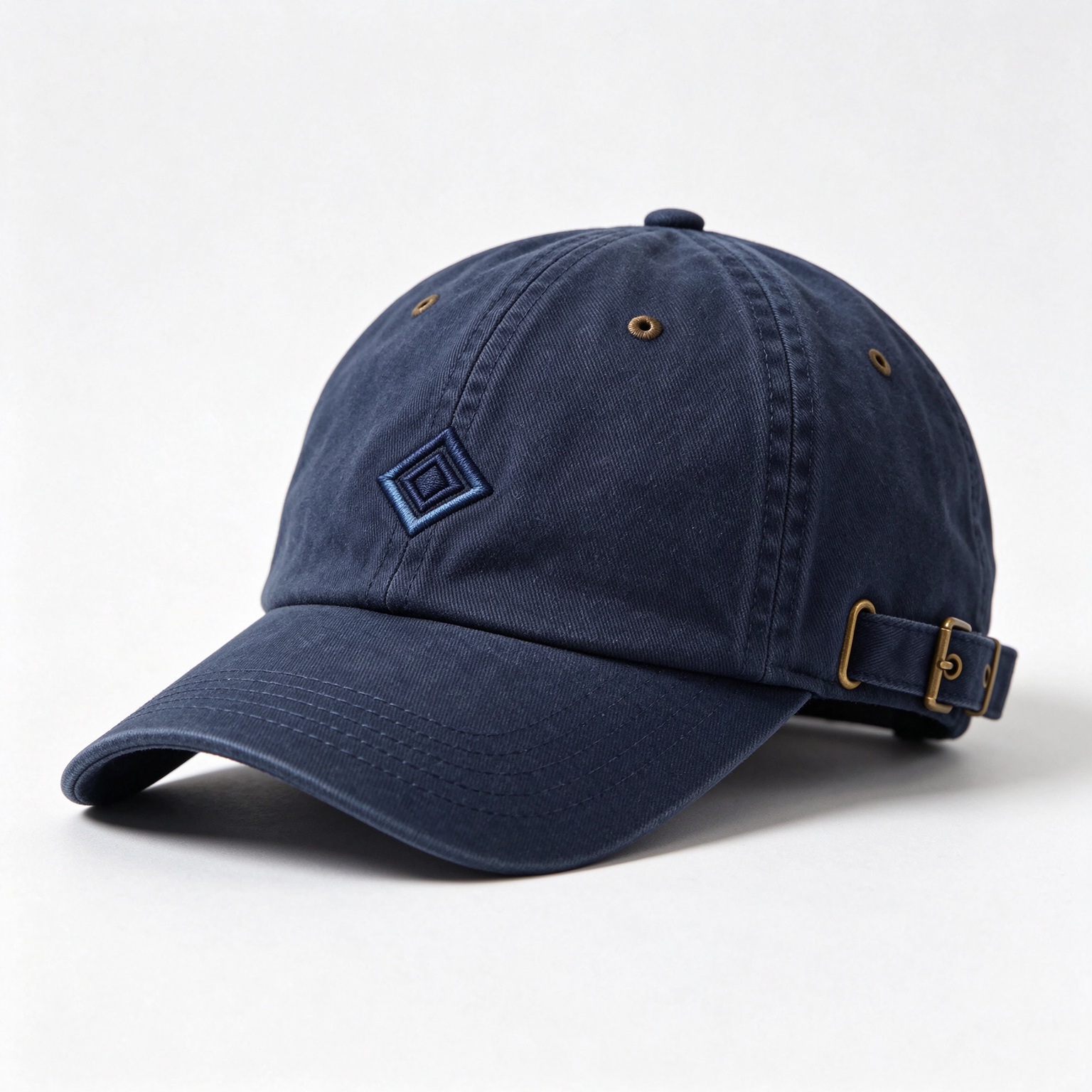
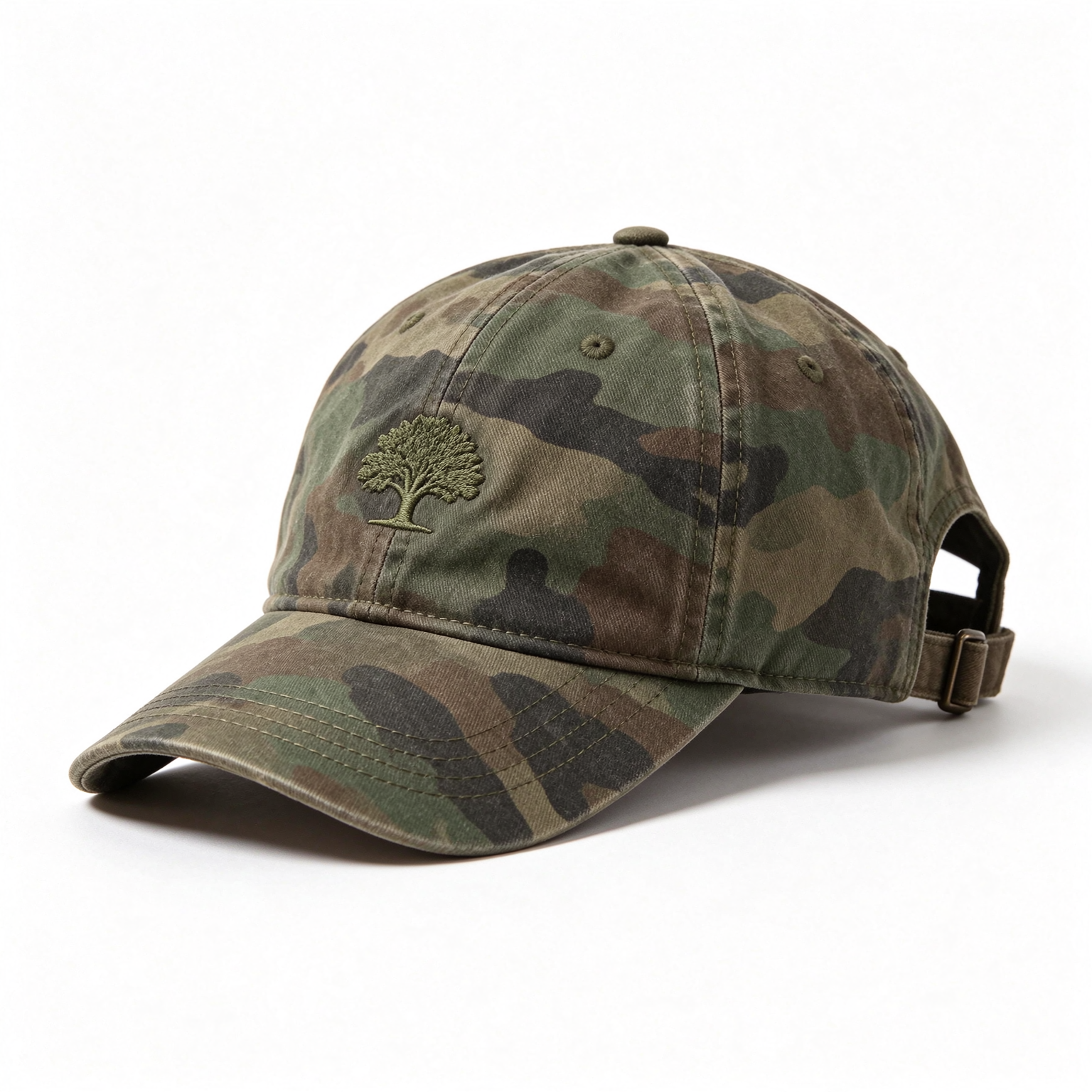
Browse knit beanies, winter hats and jacquard styles. Shortlist the construction, yarn and finish you want to develop for your market.
Representative styles
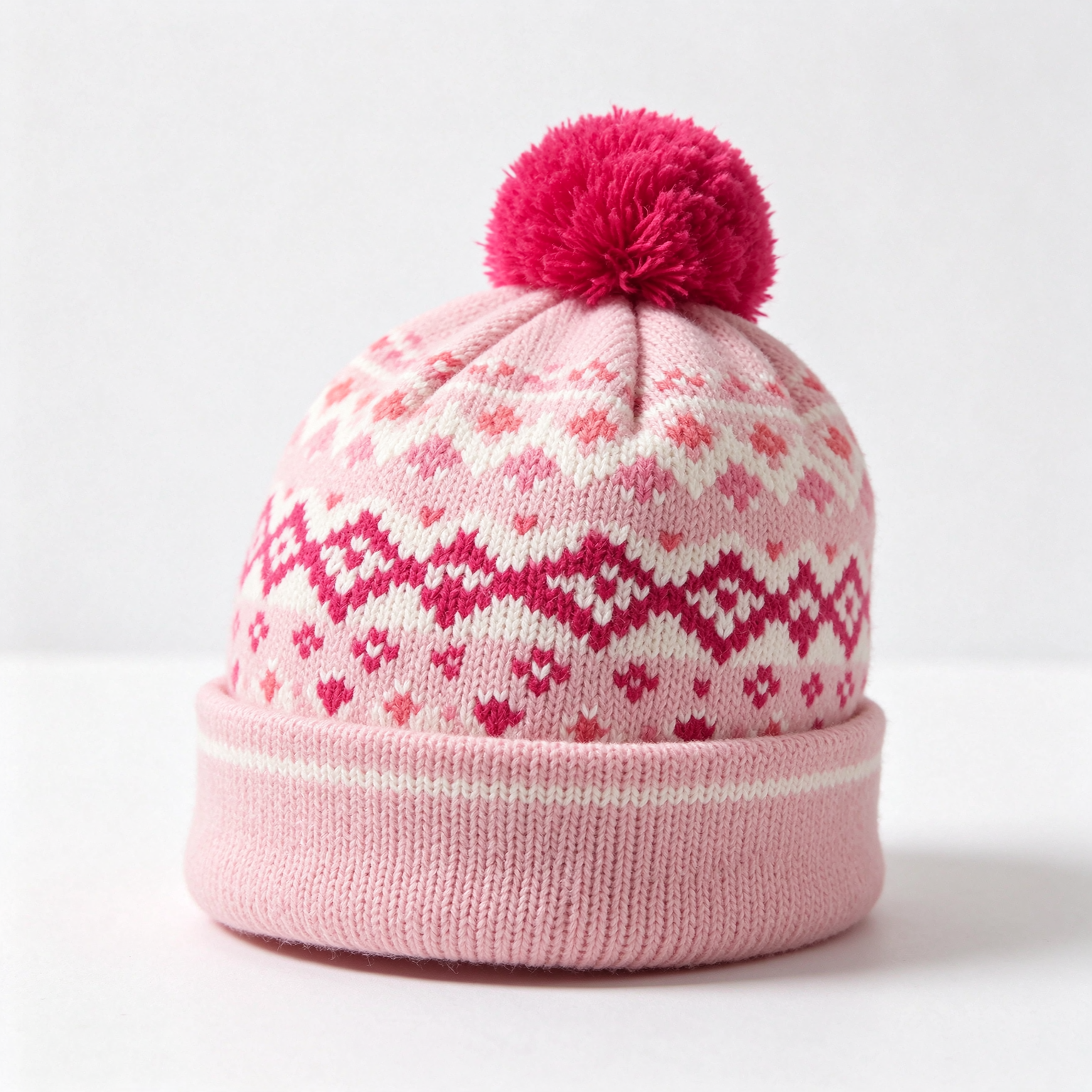
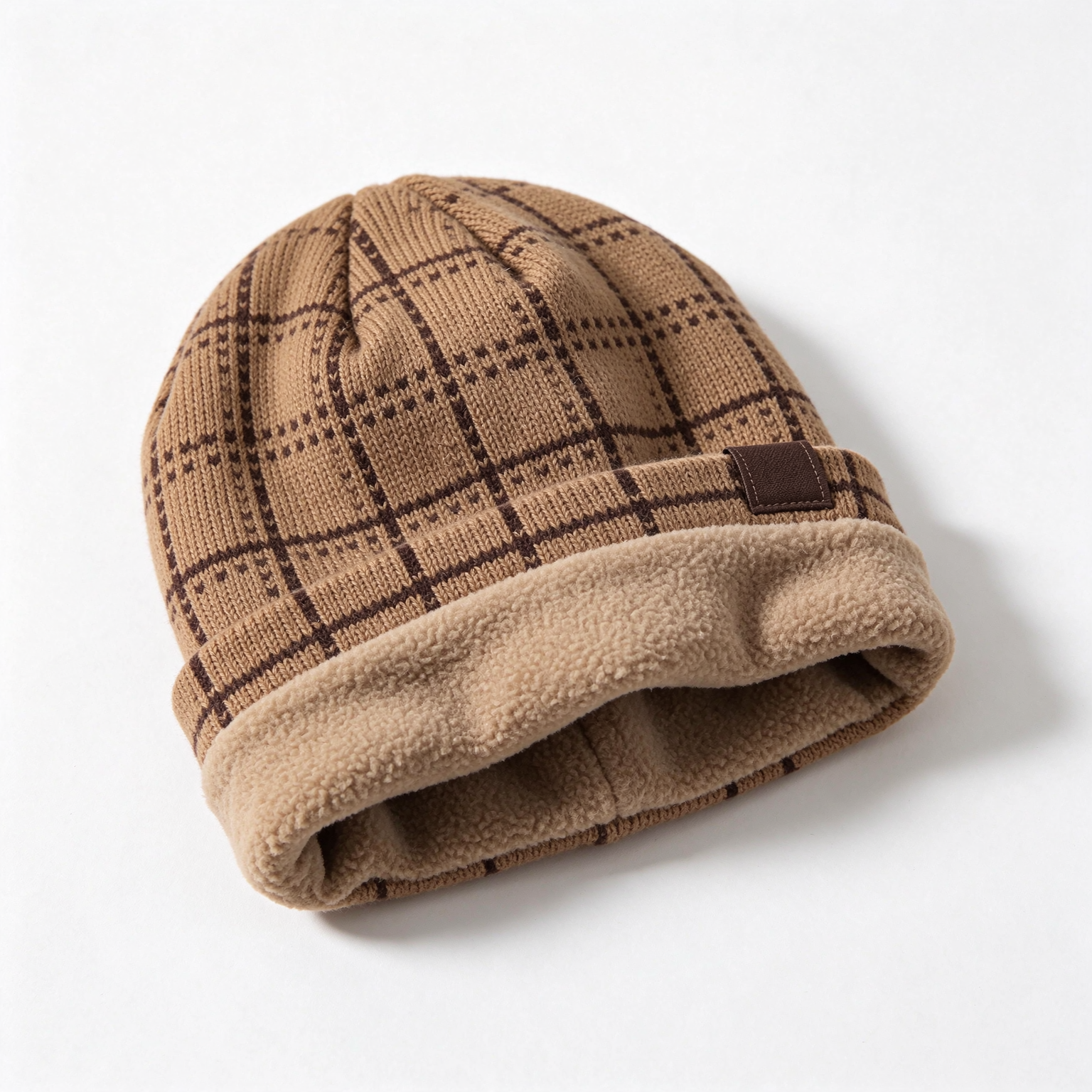
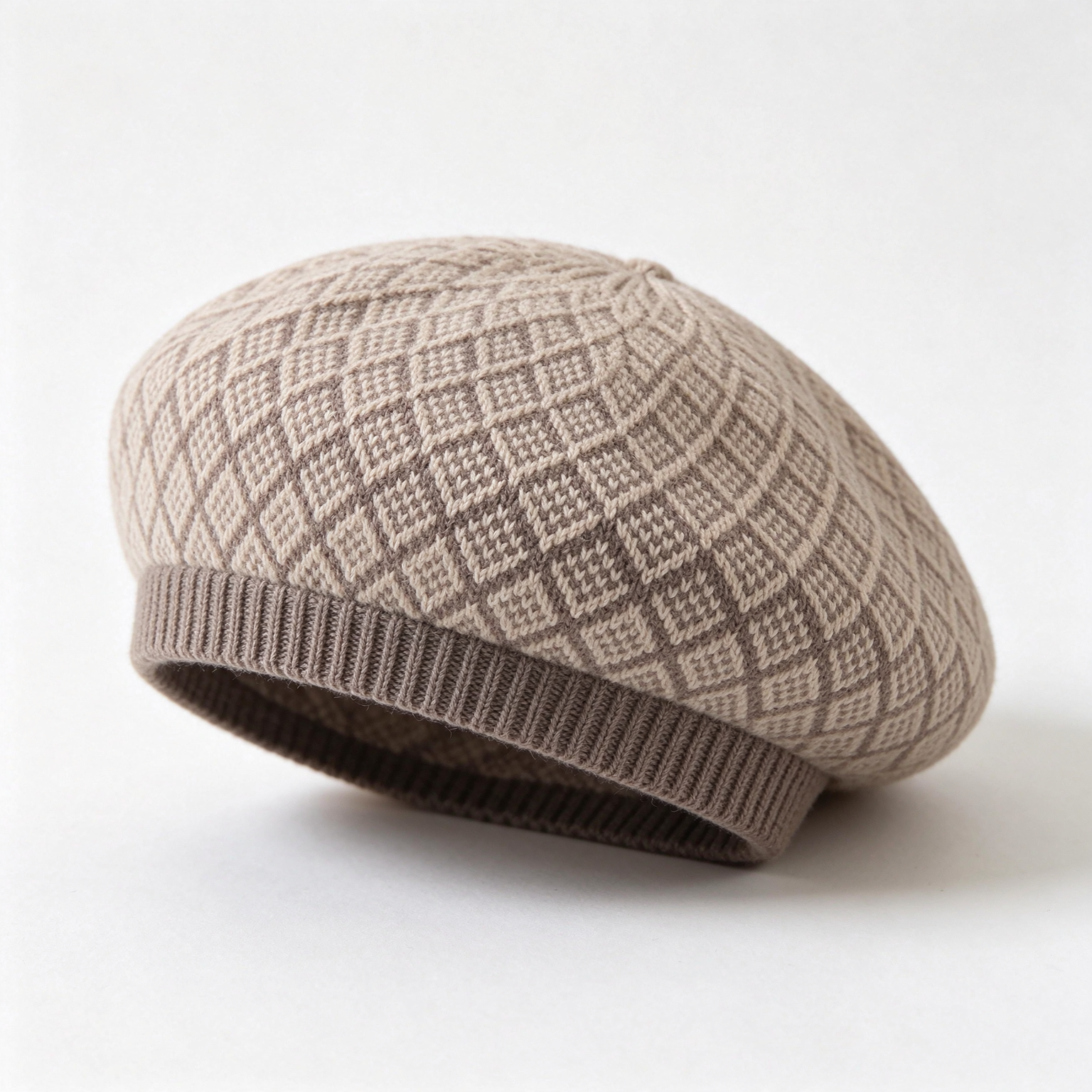
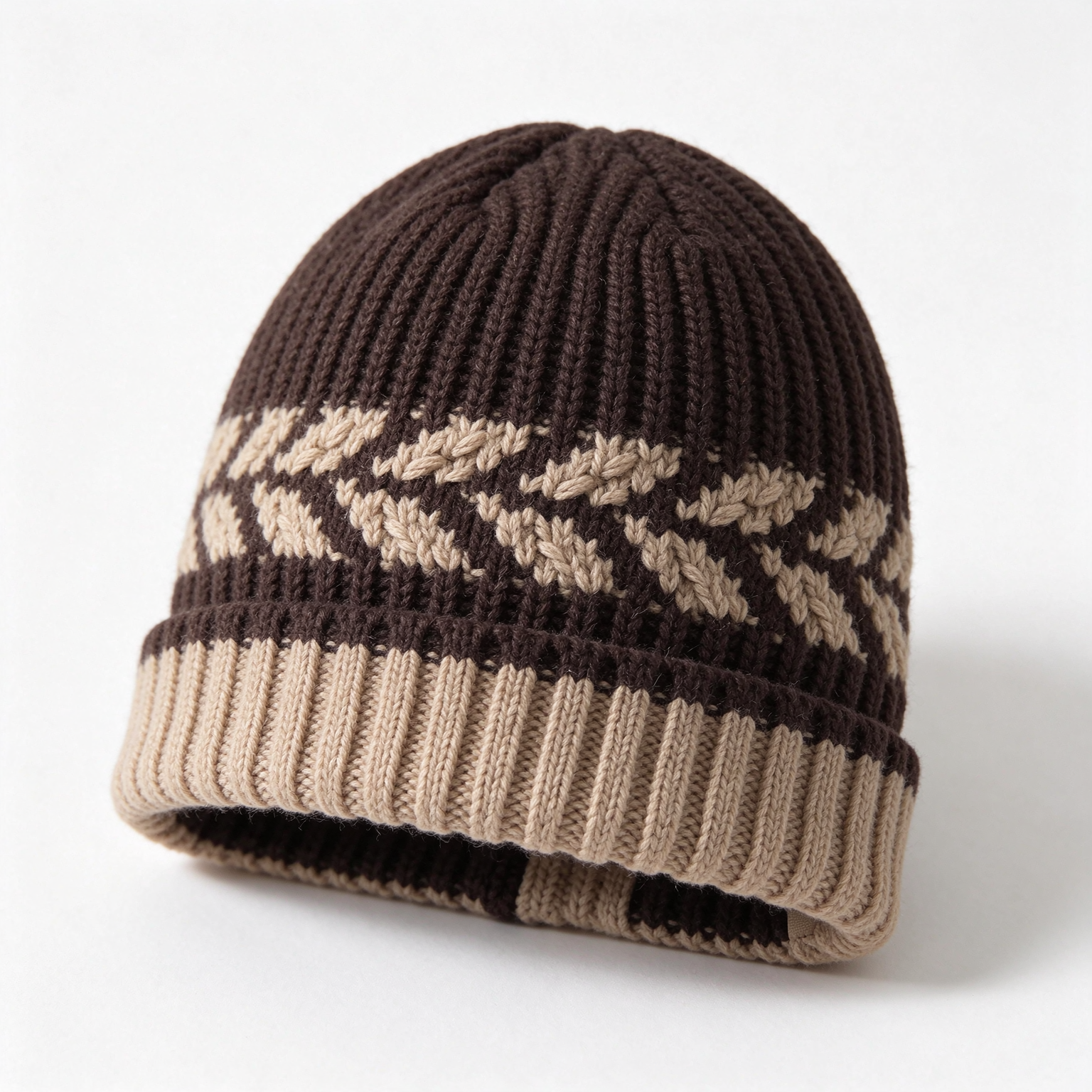
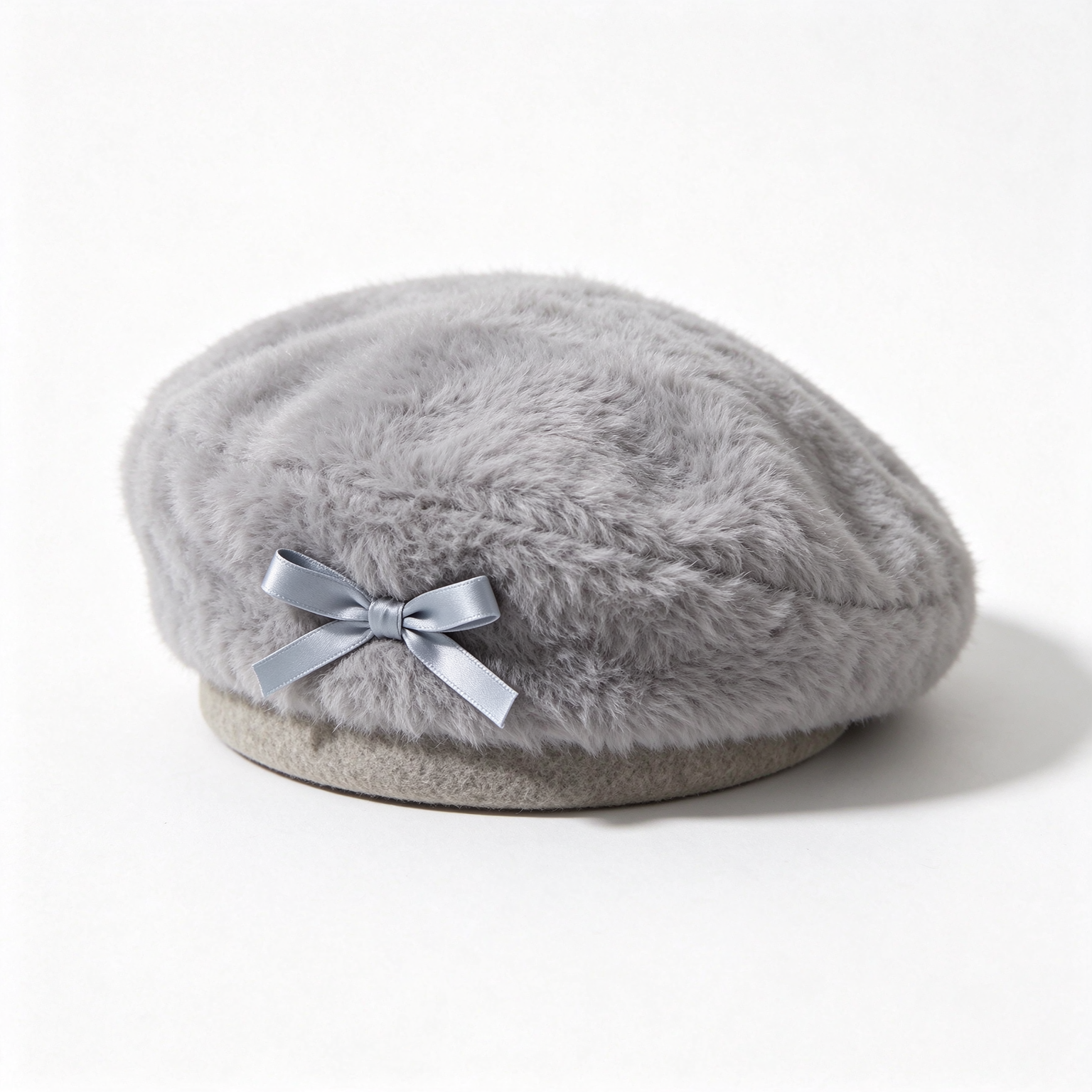
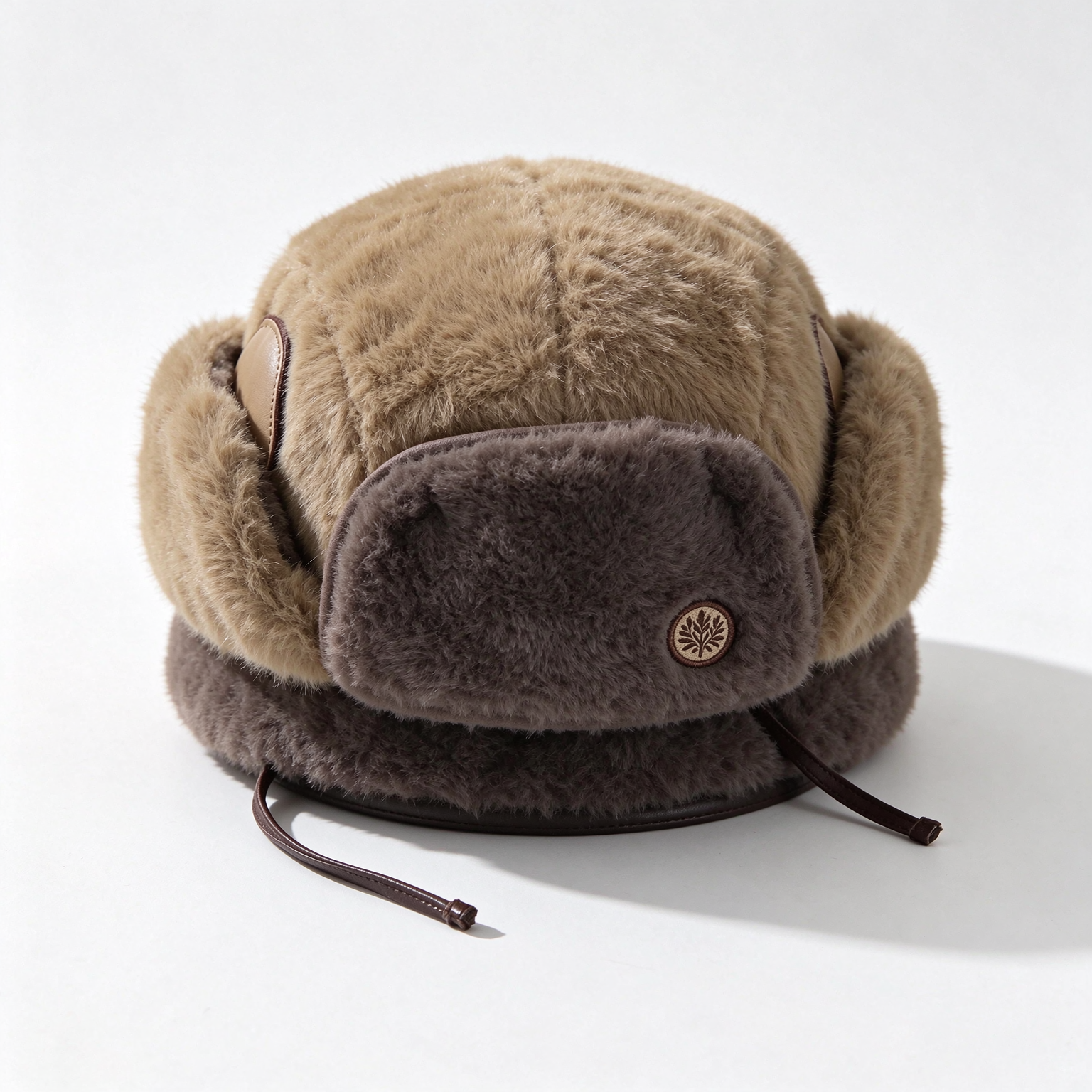
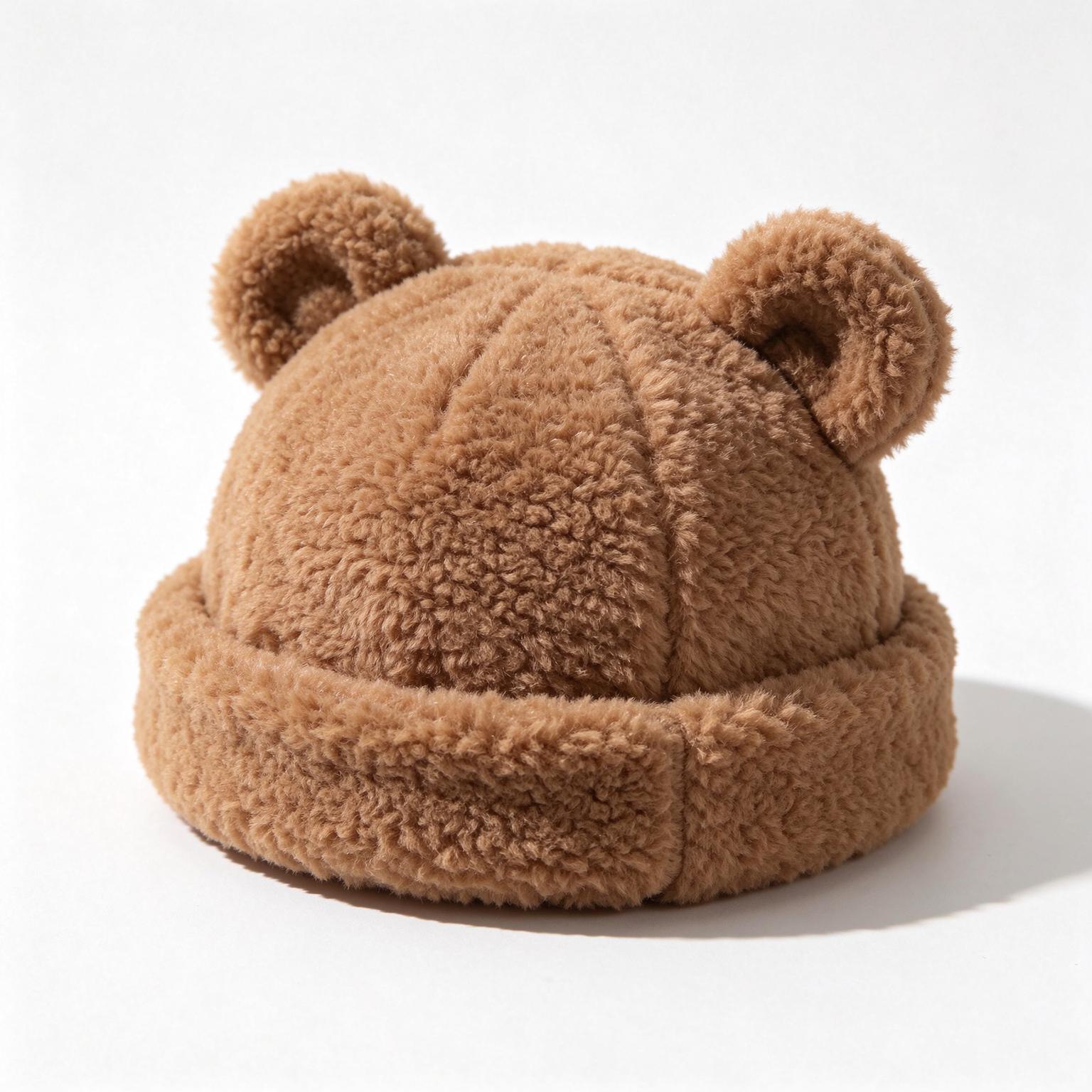
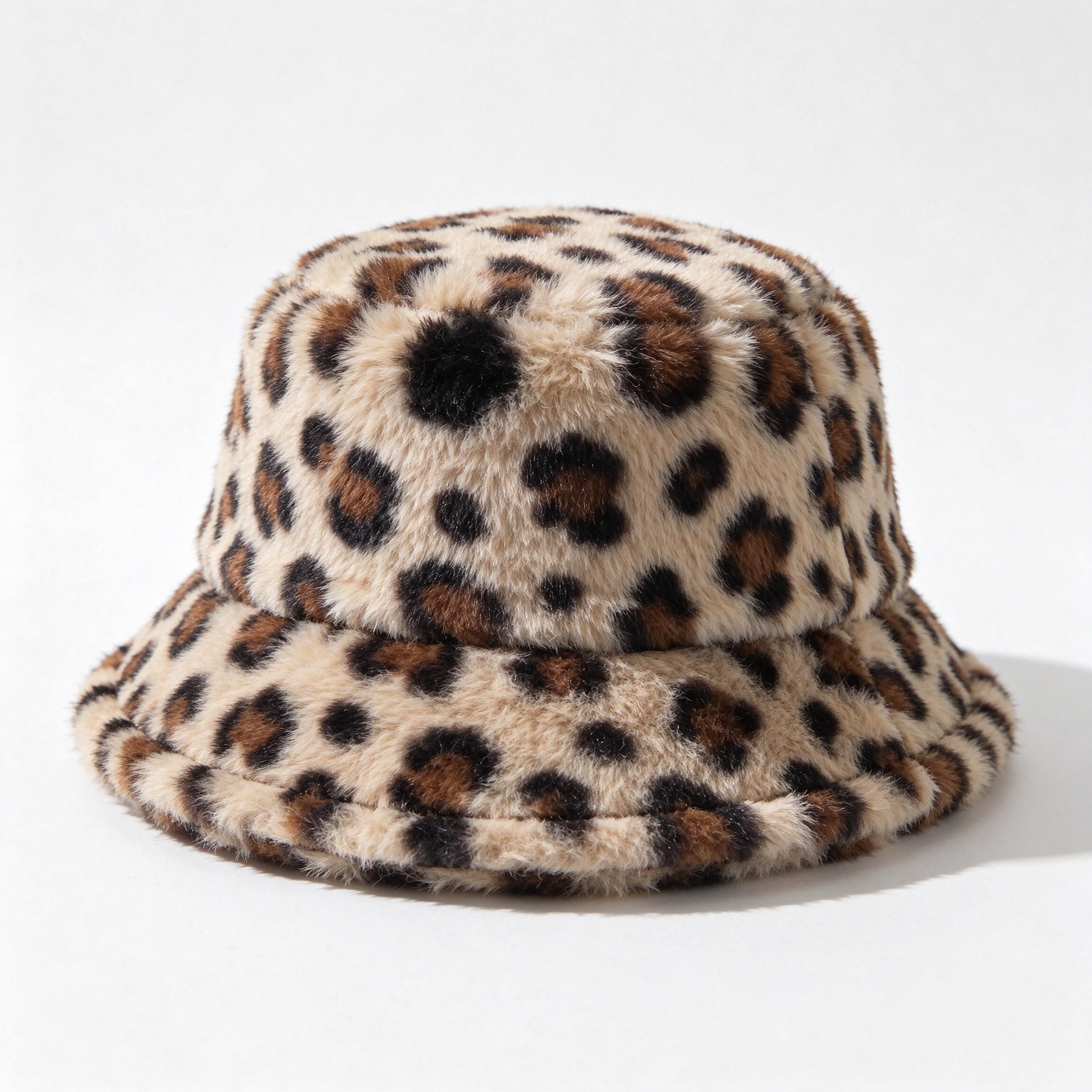
The styles below are representative samples. Send us your target item, reference or image, and we coordinate sourcing, sampling and export for your order.
Hats
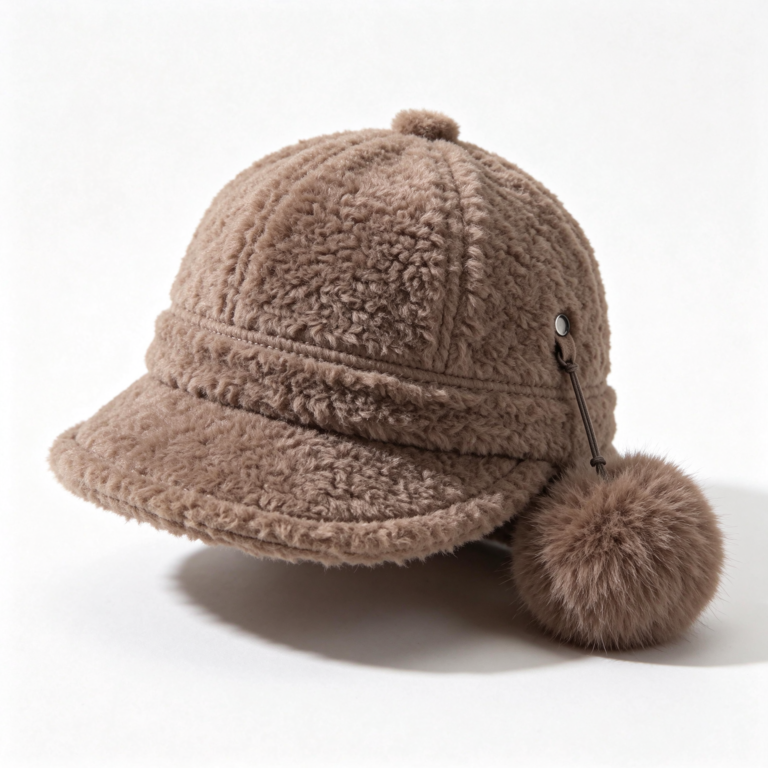
Hats
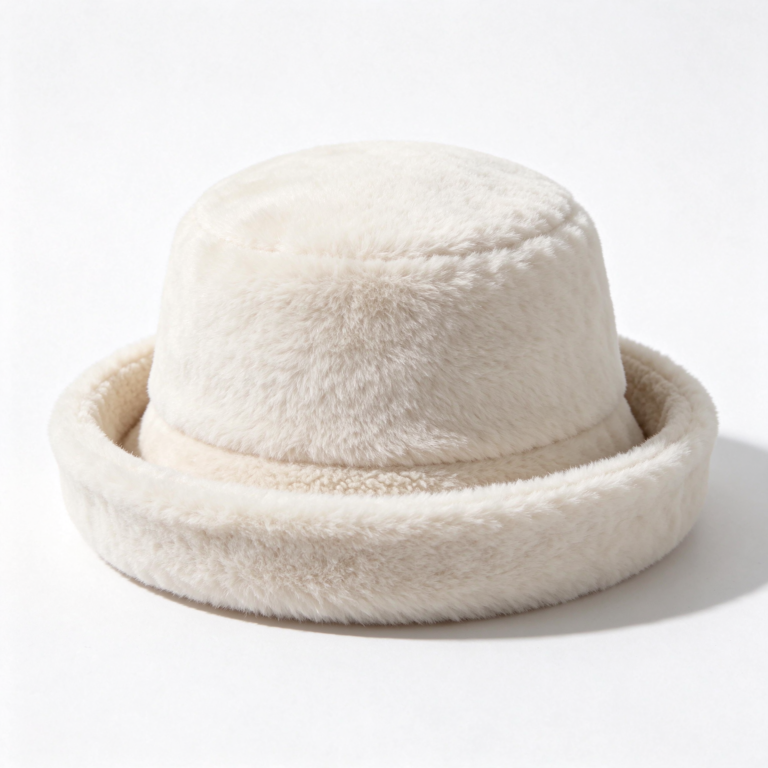
Hats
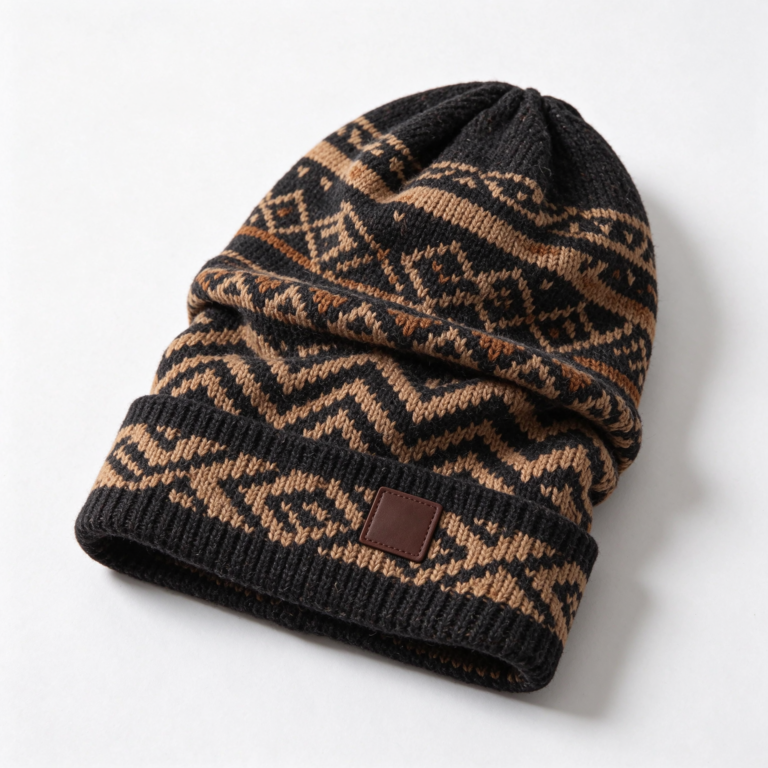
Hats

Hats

Hats
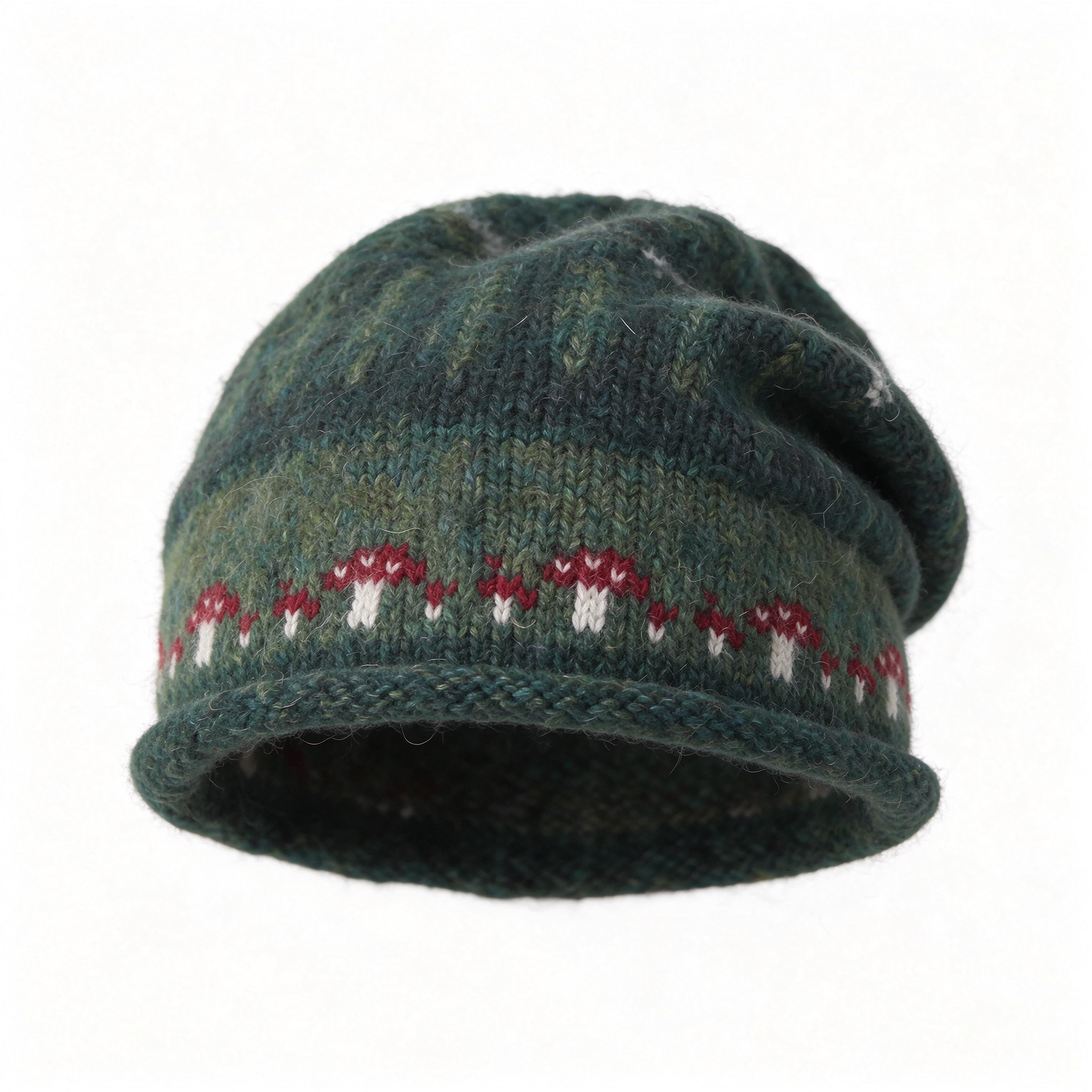
Hats

Hats
Hats
Hats

Hats

Hats

Hats
Hats
Hats
Hats
Hats
Hats
Hats
Hats
Hats
Hats
Hats

Hats

Hats
Hats
Hats
Hats
Hats
Hats
Hats

Hats

Hats

Hats
Hats
Hats
Hats
Hats
Hats
Hats
Hats

Hats

Hats

Hats

Hats

Hats
Hats

Hats

Hats

Hats

Hats
Hats

Hats

Hats

Hats

Hats

Hats

Hats

Hats

Hats

Hats
Hats

Hats
Hats

Hats

Hats
Hats

Hats

Hats

Hats
No matching styles. Try another search or send us your reference.
A hat page is a starting point, not a specification. The four lines that decide whether a sample matches the bulk delivery are yarn, gauge, cuff construction and the sizing numbers. Everything else — colour, label, packaging — hangs off those four.
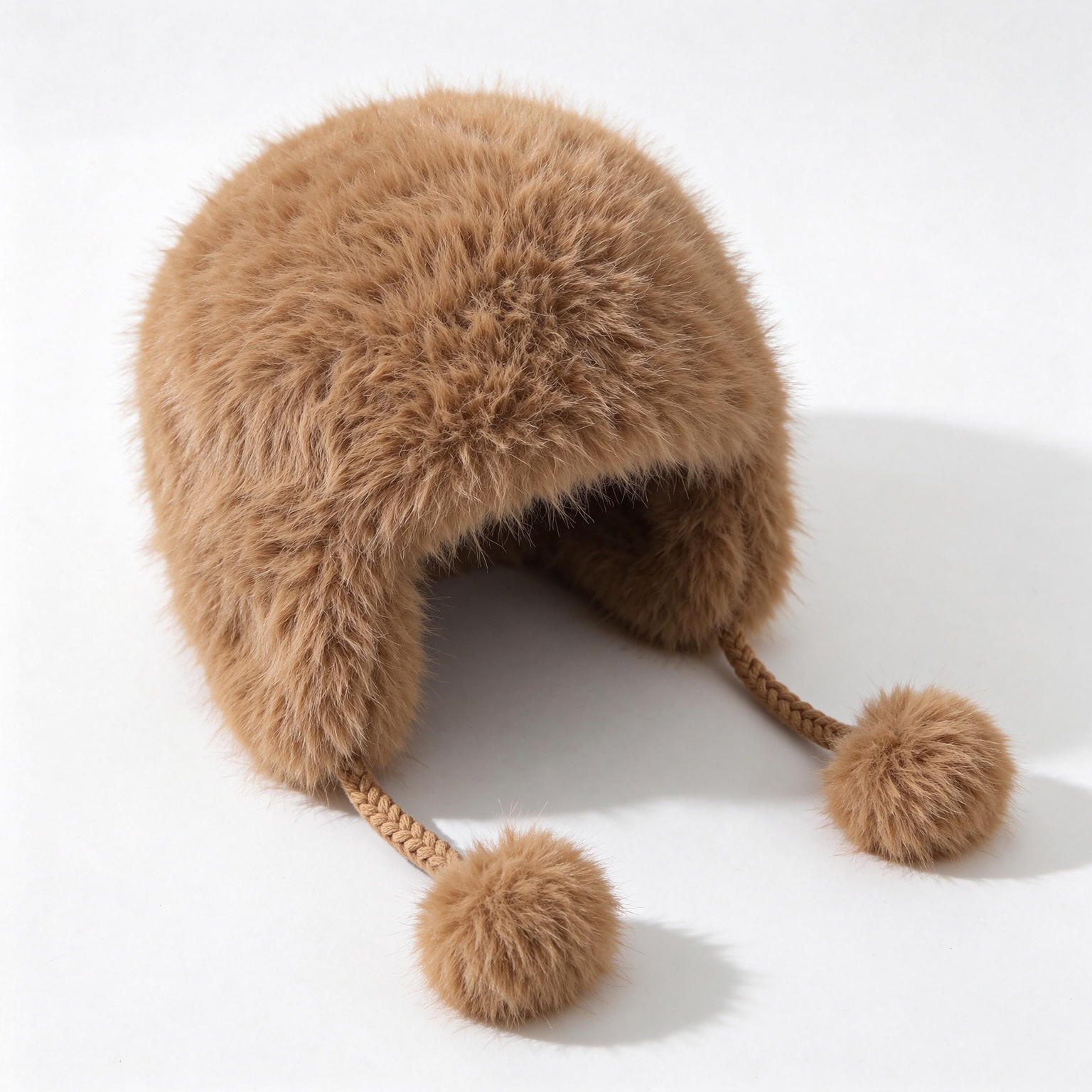
Acrylic is the volume choice in knitted headwear: it holds colour, takes jacquard and printing well, and keeps the price band workable. A wool blend raises warmth and gives the surface a softer hand, at a higher cost and with more care requirements in the wash. Where a buyer needs warmth without wool, a fleece lining behind an acrylic shell is the usual route. Whichever route is chosen, the blend is written as a percentage on the tech pack and confirmed against a yarn sample, because two suppliers can both call a material “wool blend” and mean different things.
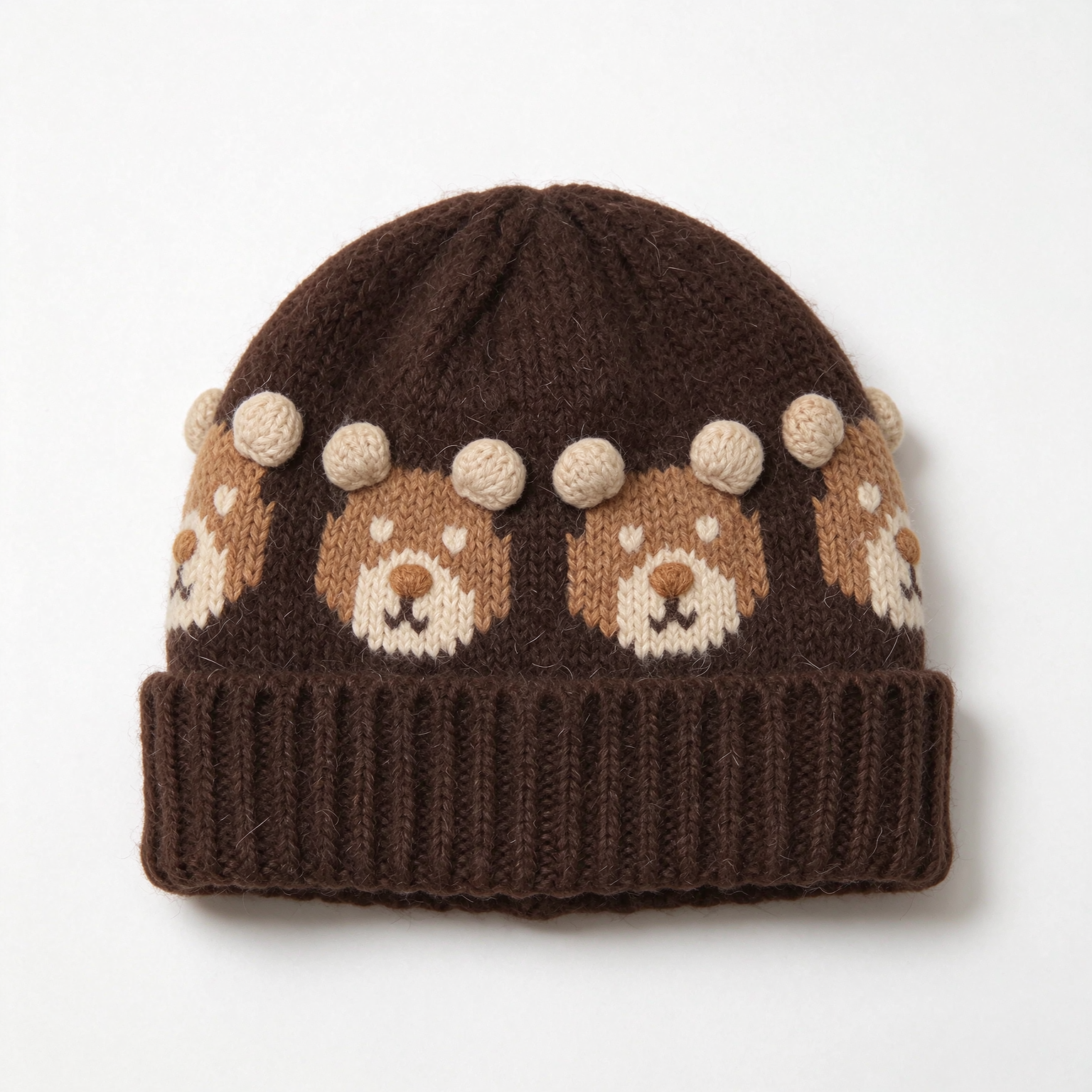
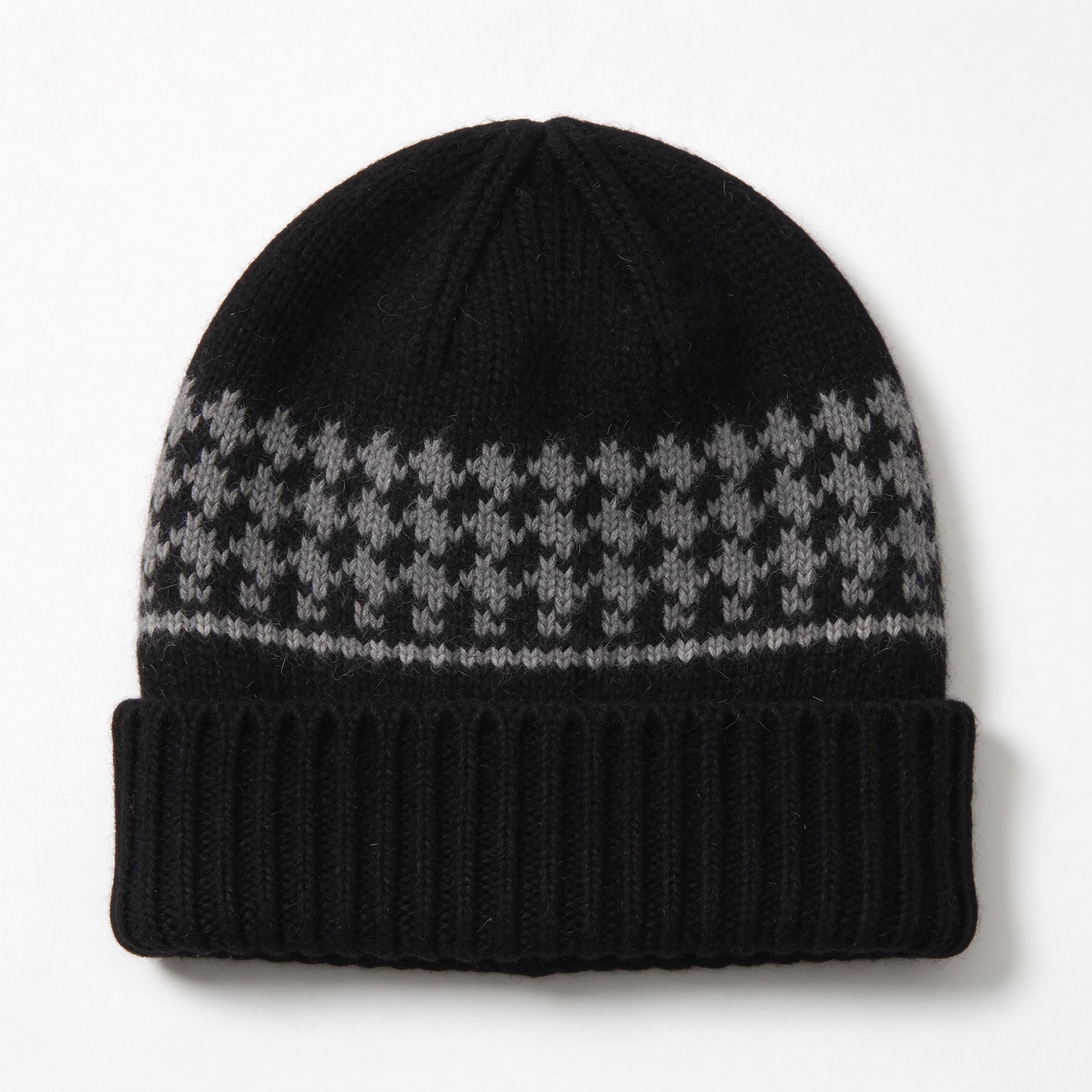
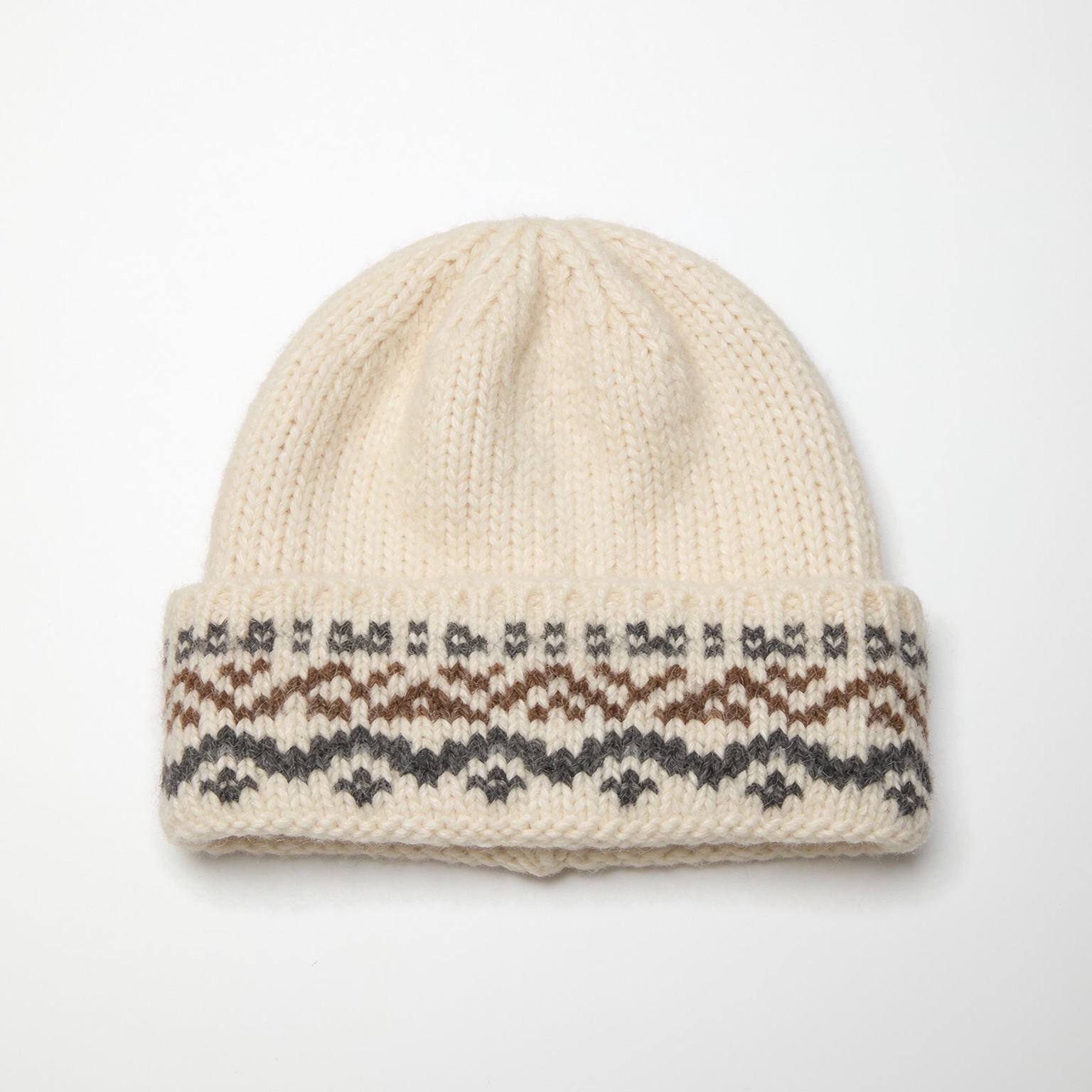
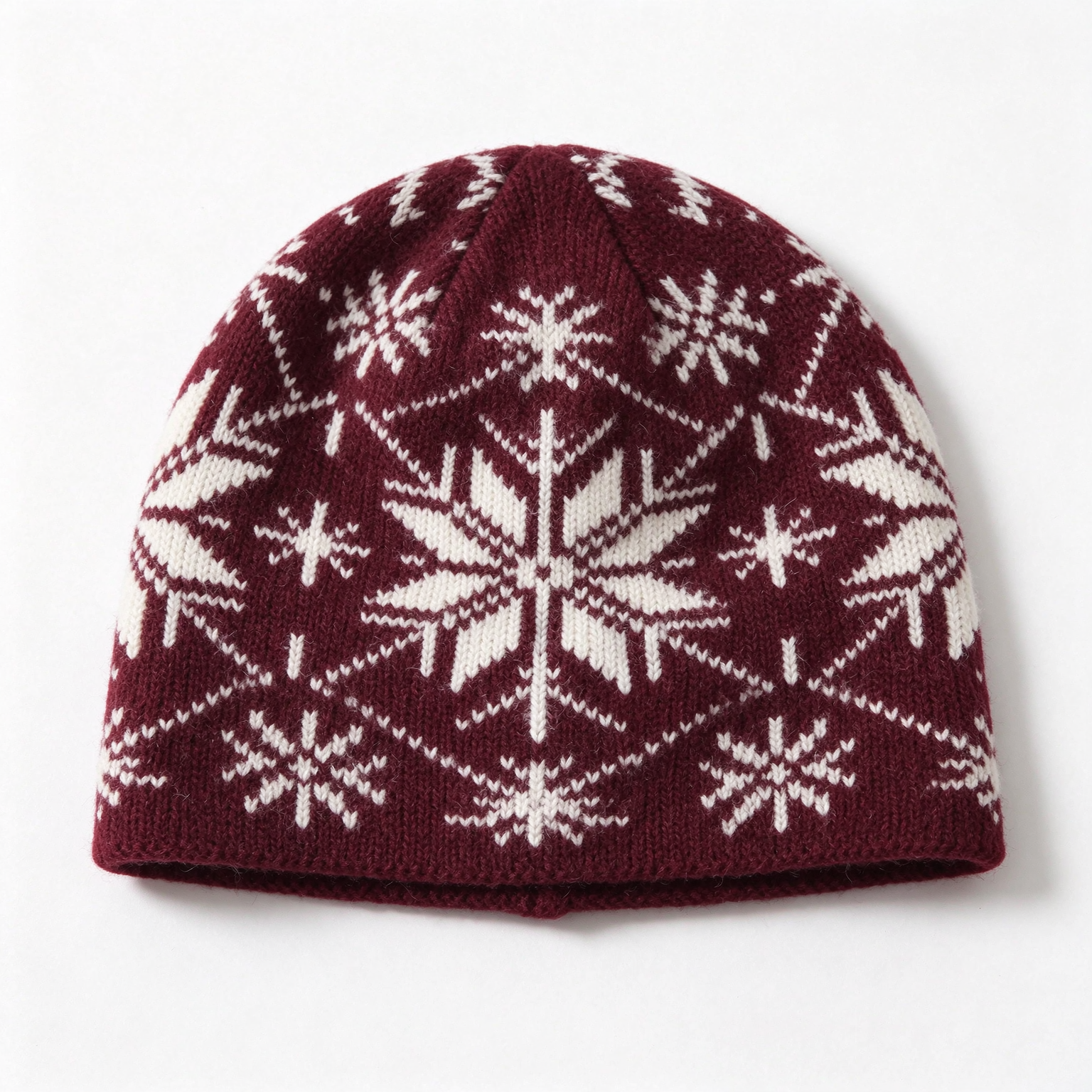
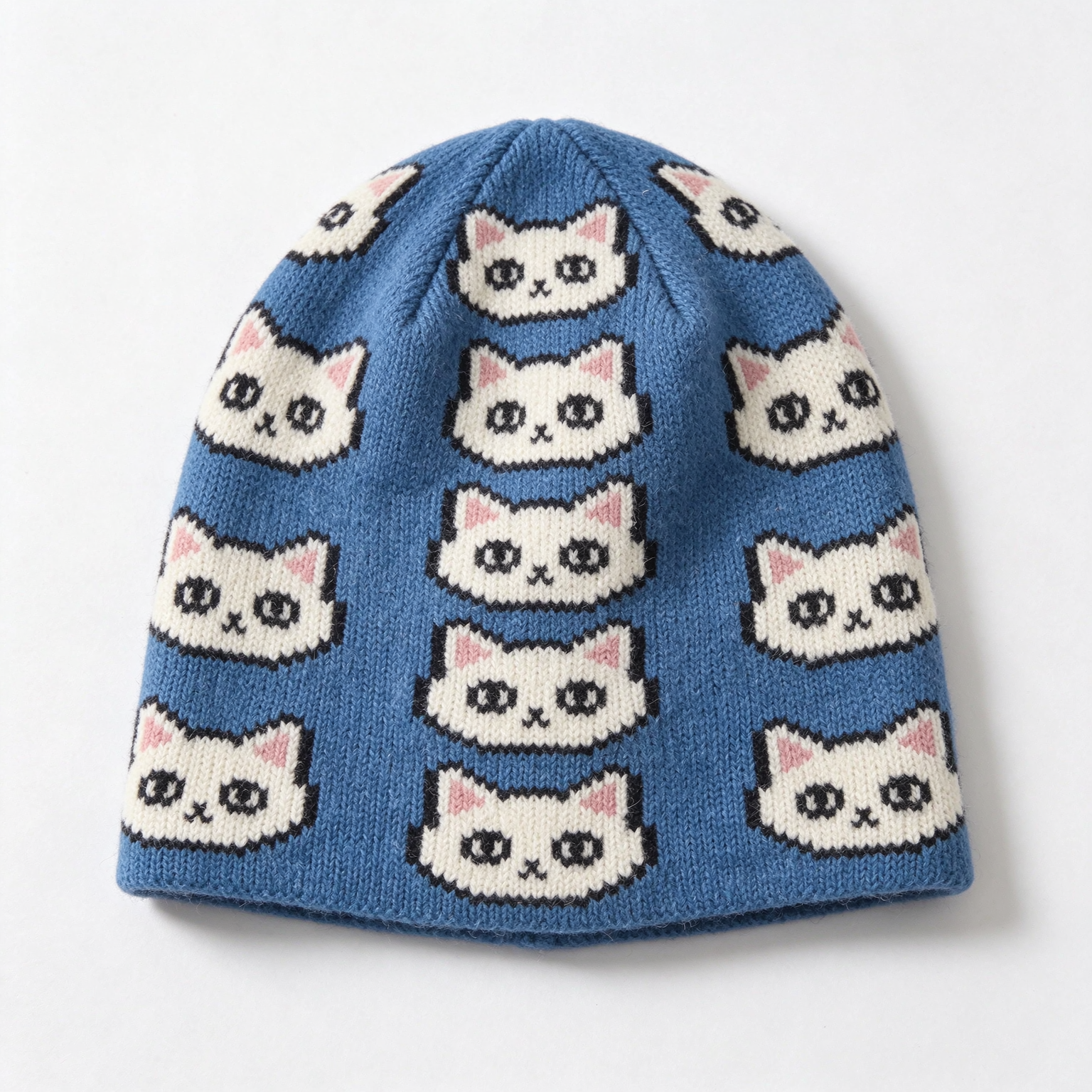
Gauge describes how many needles the machine uses and therefore how fine or how chunky the knit reads. A fine gauge gives a cleaner surface and a lighter hat; a coarse gauge gives texture, weight and a more substantial shelf presence. Stitch structure sits on top of gauge: rib, cable, jacquard, or a plain jersey body. Two hats can share a silhouette and feel completely different in the hand because of this one decision, so it belongs on the brief in plain words rather than in a photograph.
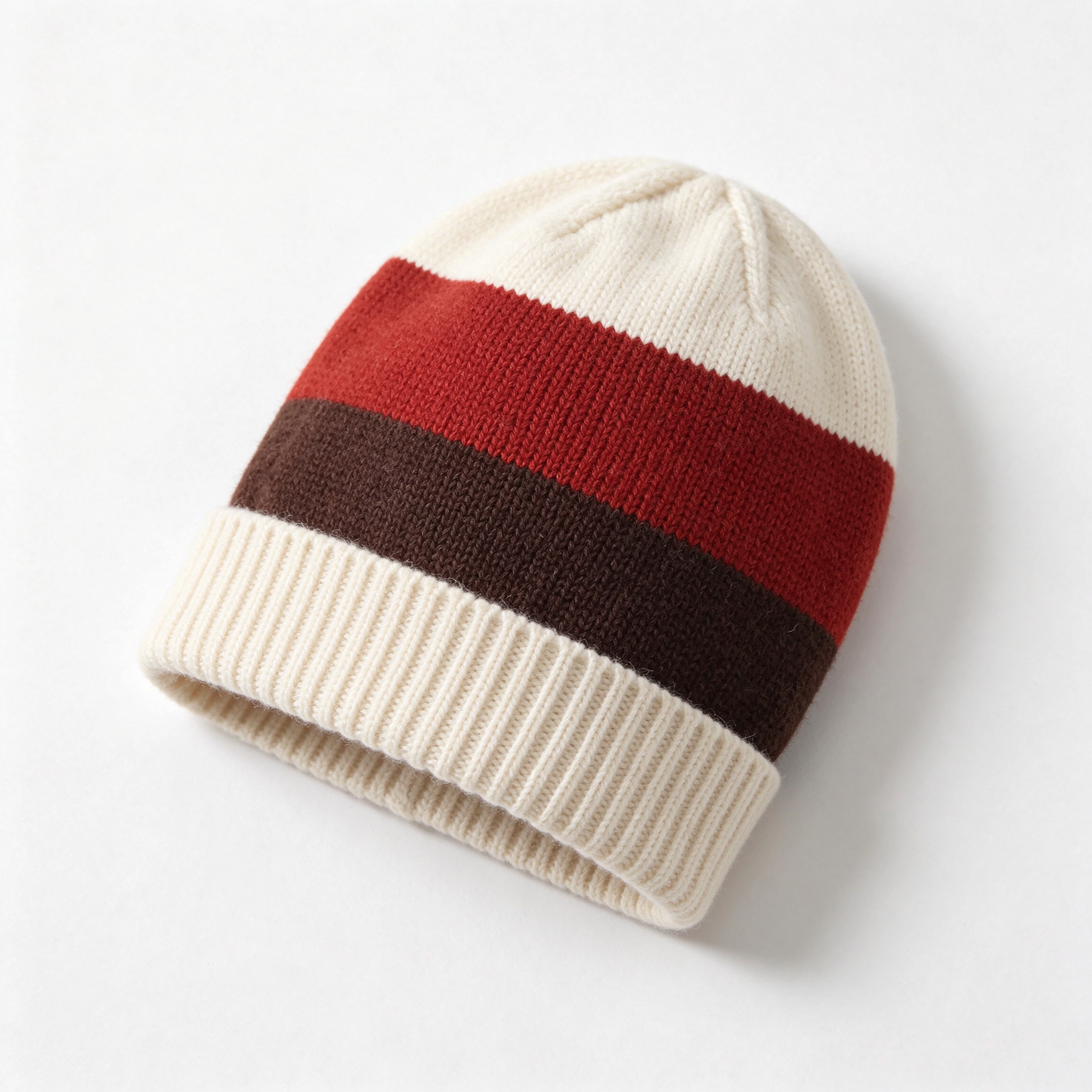
The cuff carries the branding and does most of the fit work. A single fold is the commonest construction and the most forgiving; a double-layer turn-up gives a heavier edge and holds shape through washing; a tighter ribbed band grips the head and suits wearers who push the hat back. Narrow band styles with no fold read as sport or streetwear and are the least forgiving on sizing, because the wearer cannot adjust them.
Three measurements travel with every hat order: crown height, flat width and the head circumference the band must fit comfortably. Crown height fixes the silhouette, flat width fixes how much of the head is covered, and band stretch fixes comfort. A tall crown on a narrow body looks like a cone; a short crown on a generous body slides up. Sizes are quoted per size band rather than as one figure, and each is measured on a finished piece.
Woven labels, printed labels, embroidery, rubber patches and hangtags are all specified per line. Each method has a minimum flat area and a placement constraint, so the branding is chosen before the cuff is cut. Polybags, hangtag strings, size stickers and carton marking are agreed at the same time, because they affect the packing list and the inspection checklist.
Minimum quantities are quoted per style and per colour rather than as one house number, and a first order is usually built around one or two colourways. Sampling runs before bulk, and the approved sample is sealed as the reference for production. Lead time is counted from sample approval, not from the order date, and transit is quoted separately against the agreed Incoterm. Pre-shipment inspection checks measurement, colour, labelling and packing against that sealed sample.
What is the minimum order quantity? Minimums are quoted per style and colour. Small trial quantities are possible where the yarn is already in production, and they are priced as a separate line from the bulk rate.
Can you match a Pantone reference? Yes. A custom shade is matched against a submitted swatch or Pantone reference, and the dip is approved on the actual yarn before bulk material is bought.
Can the label and packaging be ours? Yes. Woven labels, printed tape, hangtags and cartons are produced to your artwork, approved at pre-production stage, and checked on the bulk sample rather than on a flat proof.
How long does production take? Production runs 25 to 35 days after sample approval for most knitted styles. Transit is quoted separately and depends on the Incoterm agreed with your forwarder.
Do you supply kids sizes? Yes. Kids sizing is quoted as a separate size band with its own crown height and band circumference, and it is measured on a finished piece rather than scaled from the adult pattern.
If you are still shaping the brief, the custom beanie sourcing guide walks through the specification sheet, and MOQ and sampling explains how small first orders are structured. Acrylic versus wool covers the yarn decision, hat, scarf and glove sizing sets out the measurement points, and pre-shipment inspection lists what is checked before the carton is closed. For artwork, labelling and packaging, start from customisation and send the reference style with your target price band.
BUYER RESOURCES
START A CONVERSATION
Tell us what you need. Our export team will reply to your enquiry.