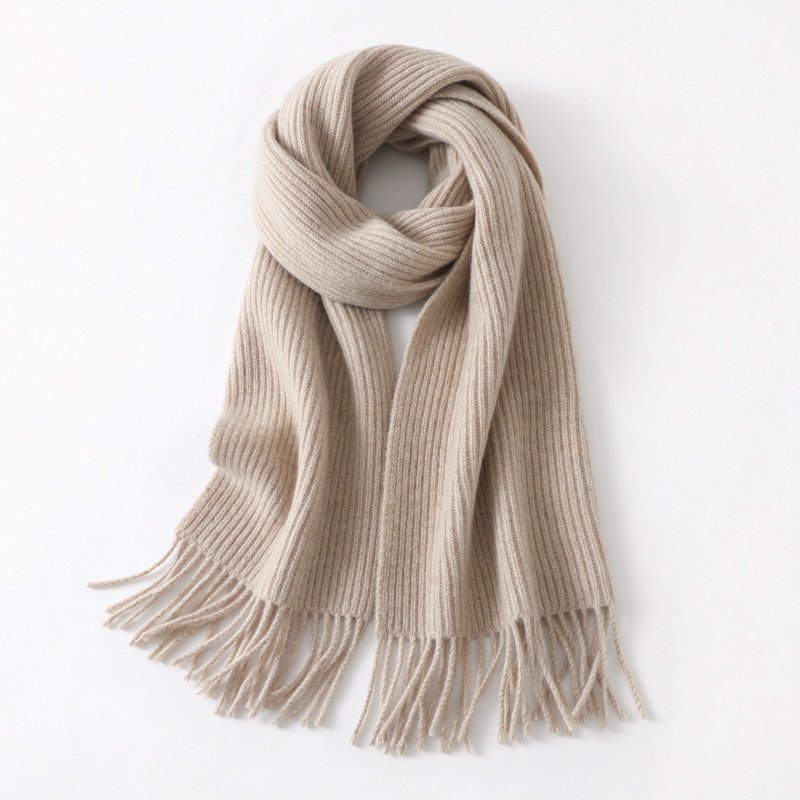
Scarves
Oatmeal Ribbed Knit Scarf
Merino-acrylic blend, 2×2 rib
Ref. uhxsc5a1b2c3
View product ↗PRODUCT COLLECTIONS
Explore scarf references for seasonal retail collections. Tell us the dimensions, fabric hand feel, color and finish you want to quote.
Representative styles
The styles below are representative samples. Send us your target item, reference or image, and we coordinate sourcing, sampling and export for your order.
Scarves
Merino-acrylic blend, 2×2 rib
Ref. uhxsc5a1b2c3
View product ↗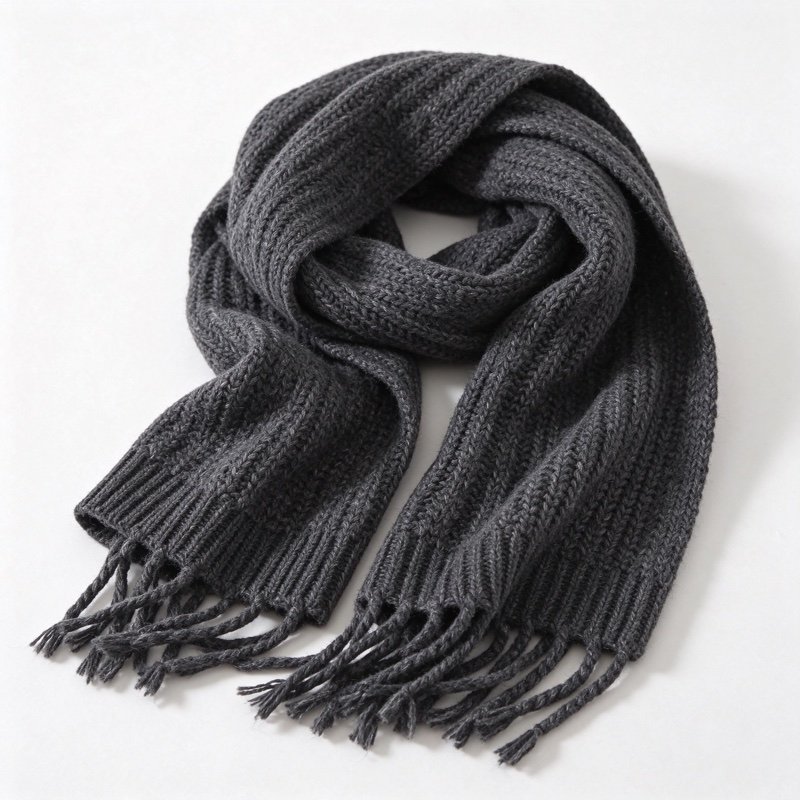
Scarves
Wool blend, chunky gauge
Ref. uhxsc6d4e5f
View product ↗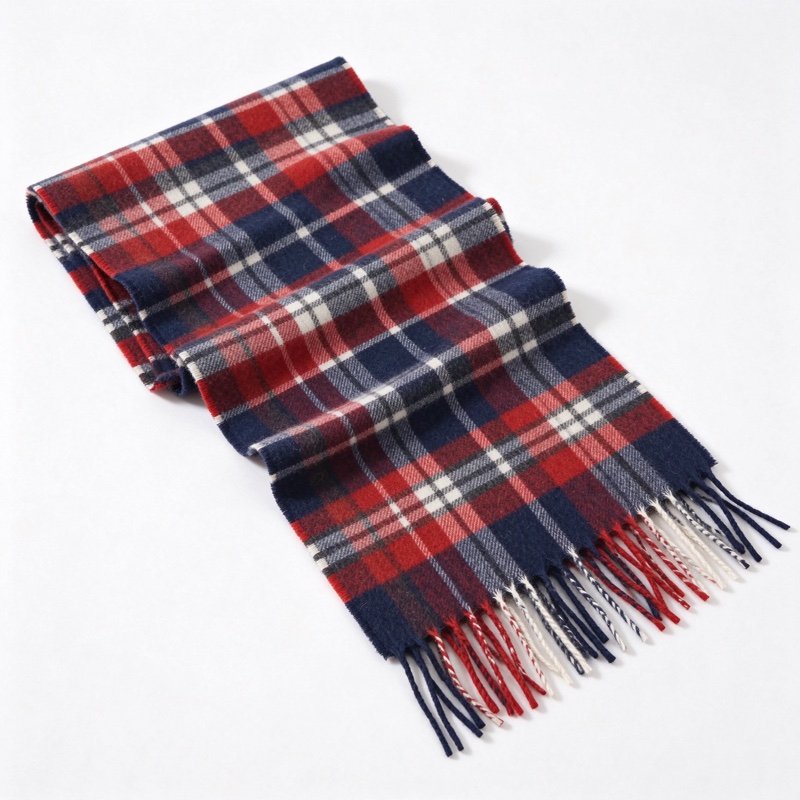
Scarves
Brushed wool blend, tartan check
Ref. uhxsc7g8h9i
View product ↗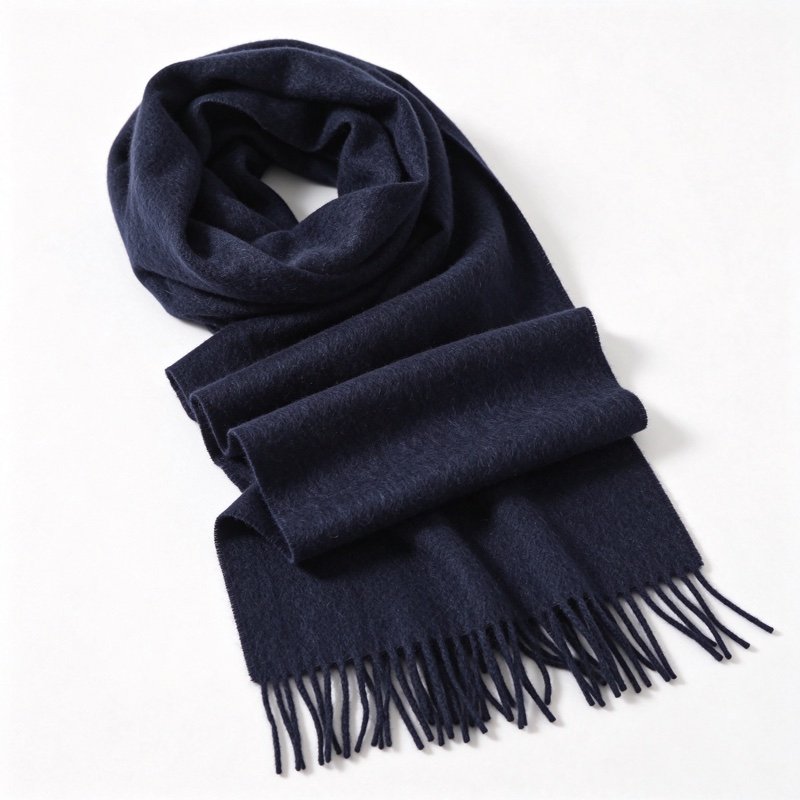
Scarves
Cashmere blend, brushed finish
Ref. uhxsc8j1k2l3
View product ↗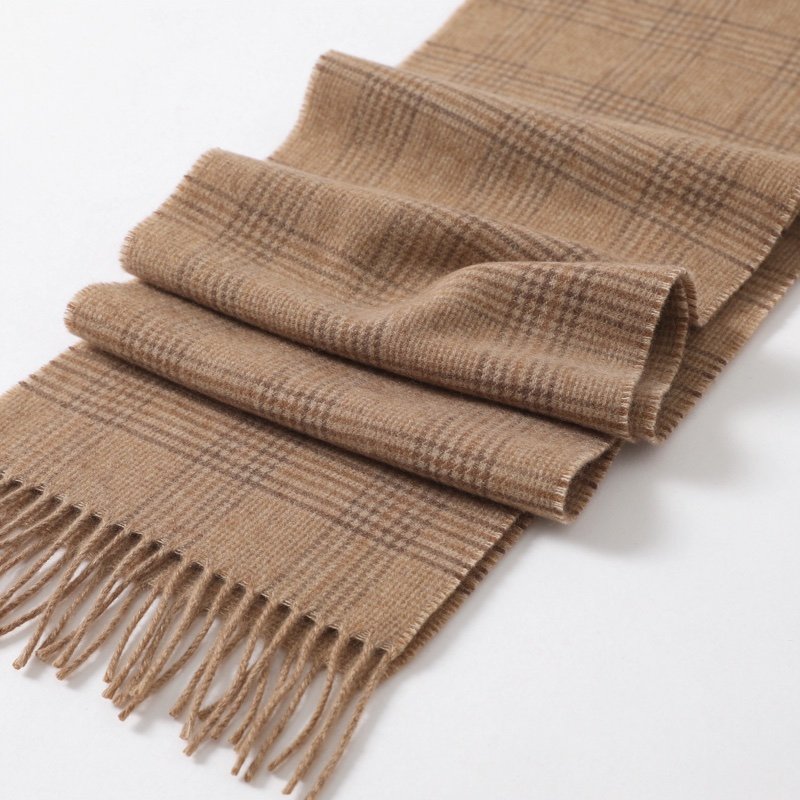
Scarves
Wool blend, check pattern
Ref. uhxsc9m4n5p6
View product ↗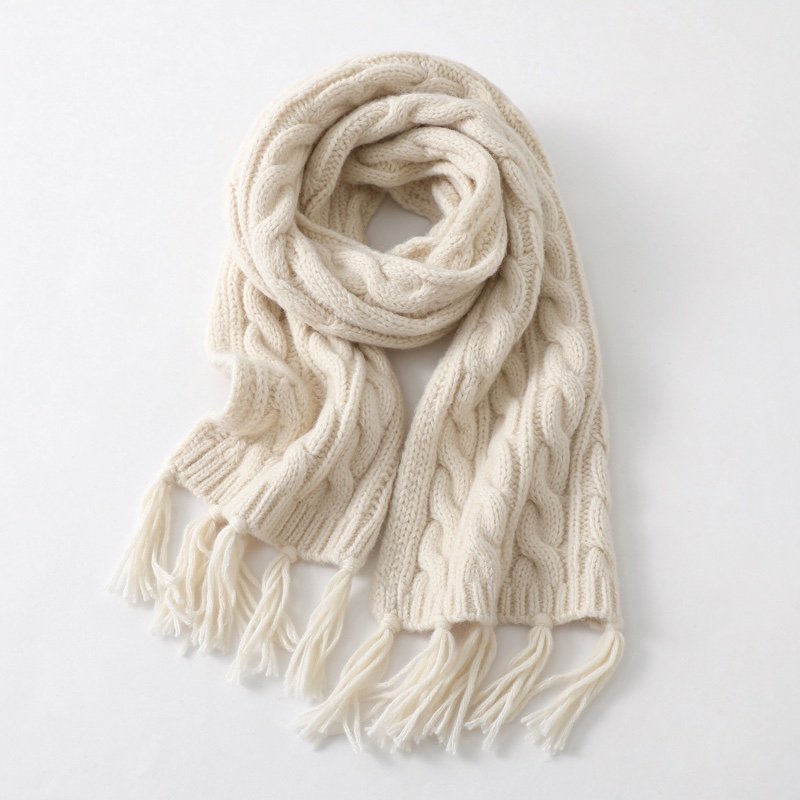
Scarves
Acrylic-wool blend, cable knit
Ref. uhxsc2q7r8s9
View product ↗
Scarves
Faux cashmere, brushed polyester-viscose
Ref. uhxsc3t1u2v3
View product ↗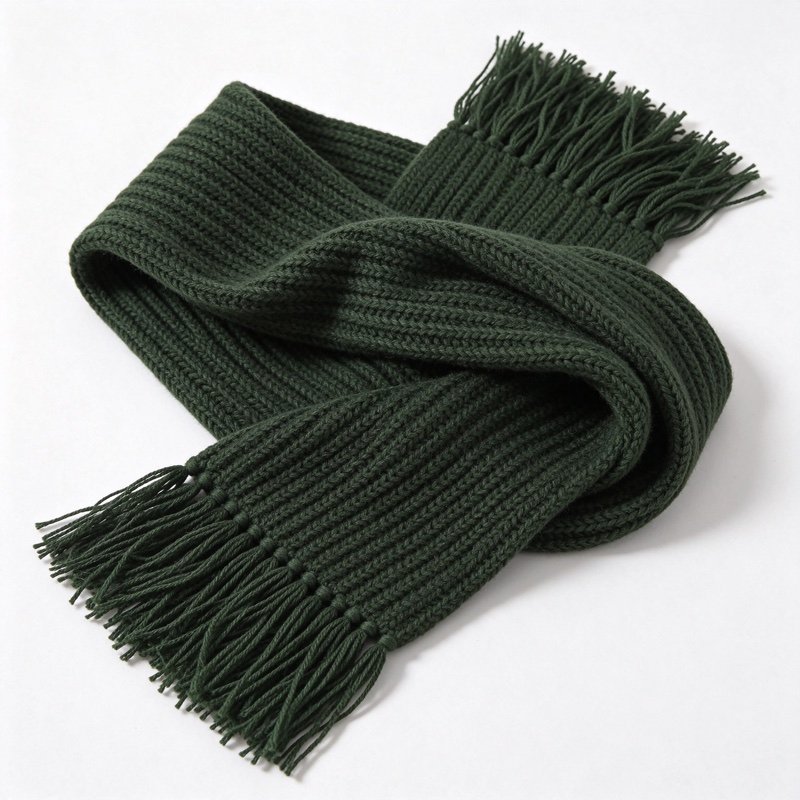
Scarves
Acrylic knit, ribbed with fringe
Ref. uhxsc4w5x6y7
View product ↗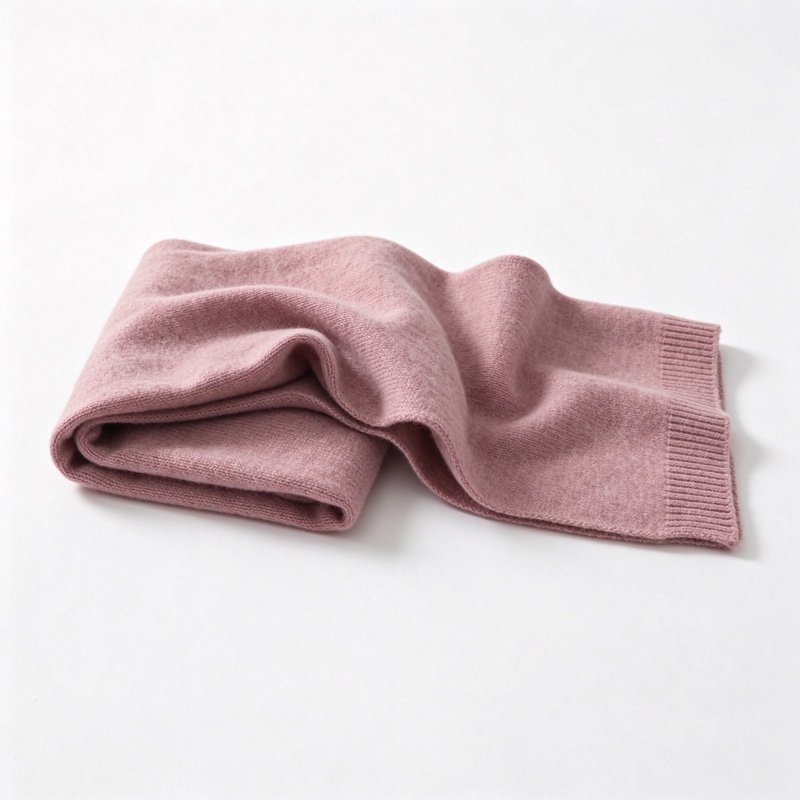
Scarves
Cashmere blend, fine rib
Ref. uhxsc5z8a9b1
View product ↗
Scarves
Acrylic-wool blend, cable knit
Ref. uhxsc6c2d3e4
View product ↗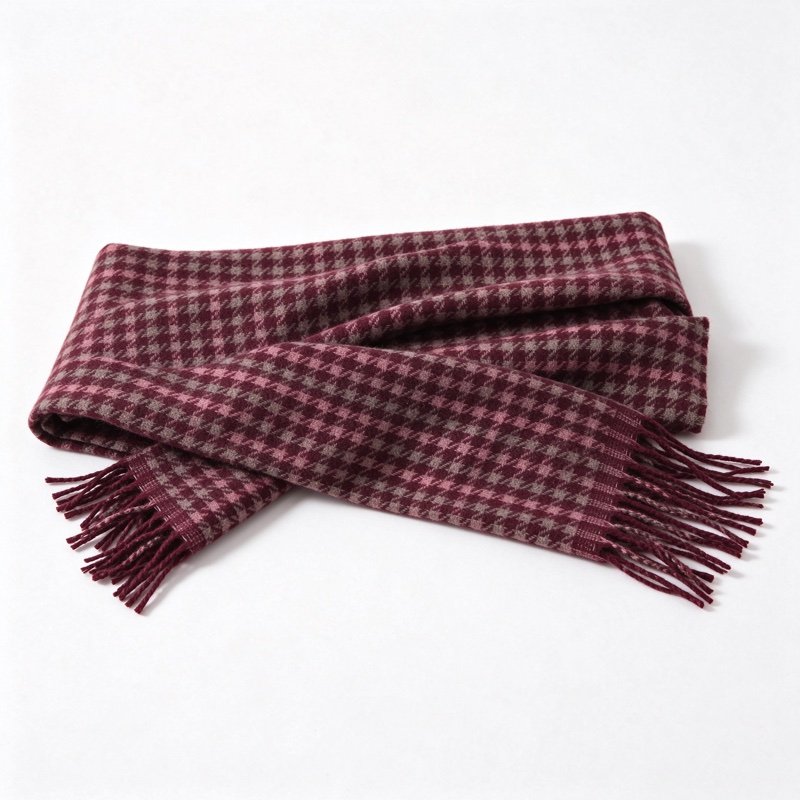
Scarves
Wool blend, houndstooth, brushed
Ref. uhxsc7f5g6h7
View product ↗
Scarves
Acrylic-wool blend, chunky cable knit
Ref. uhxsc30001
View product ↗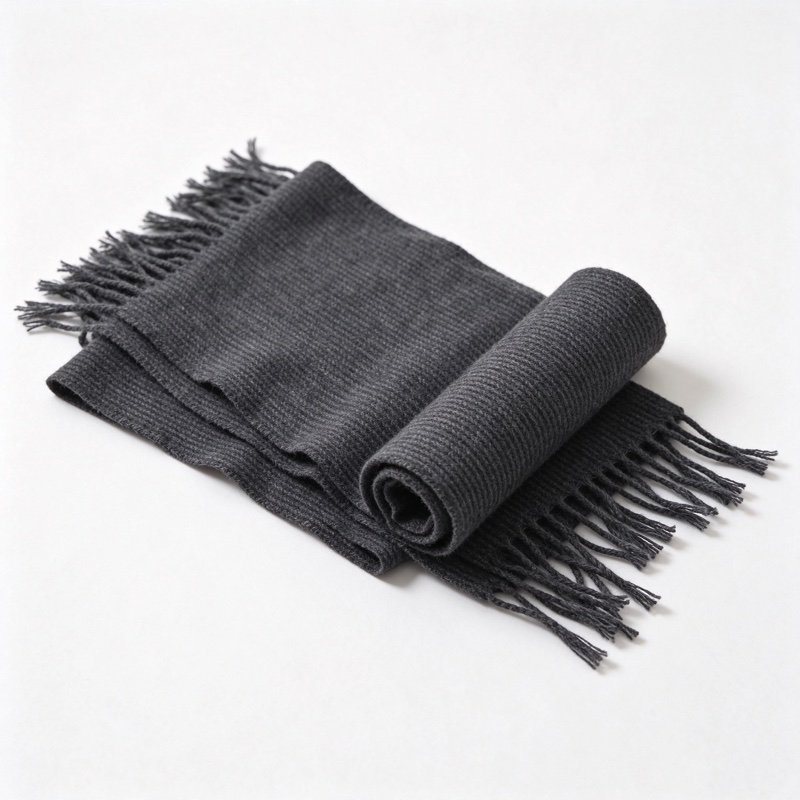
Scarves
Merino blend, fine rib
Ref. uhxsc30002
View product ↗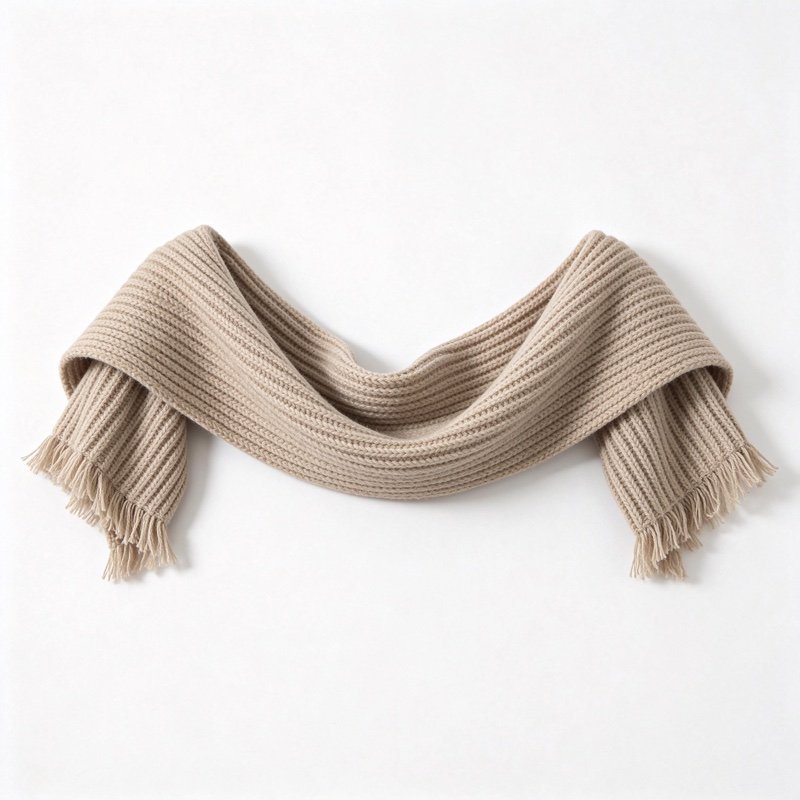
Scarves
Acrylic knit, fisherman rib
Ref. uhxsc30003
View product ↗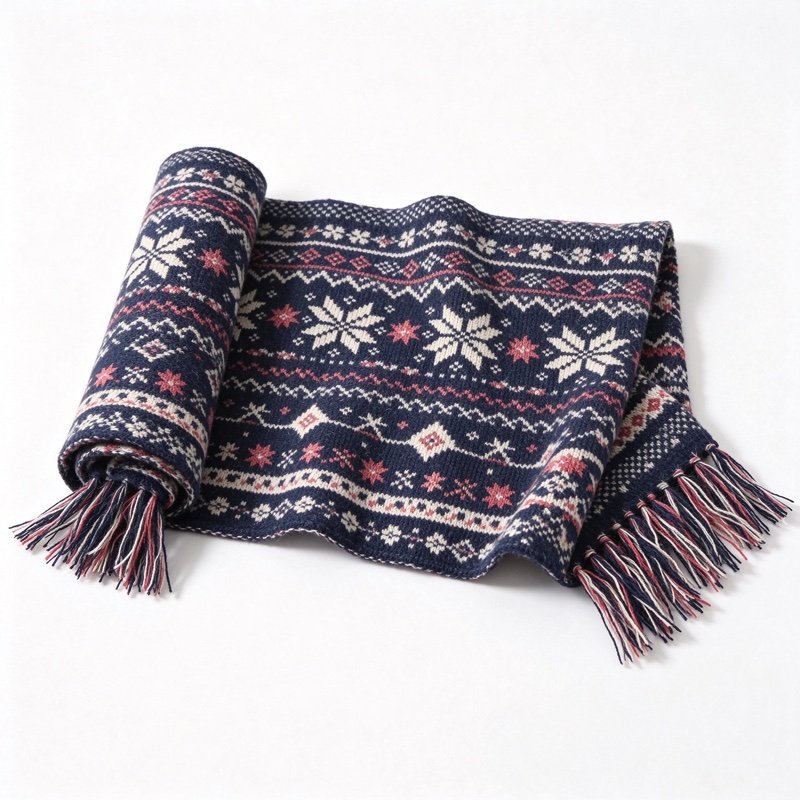
Scarves
Wool blend, Fair Isle jacquard
Ref. uhxsc30004
View product ↗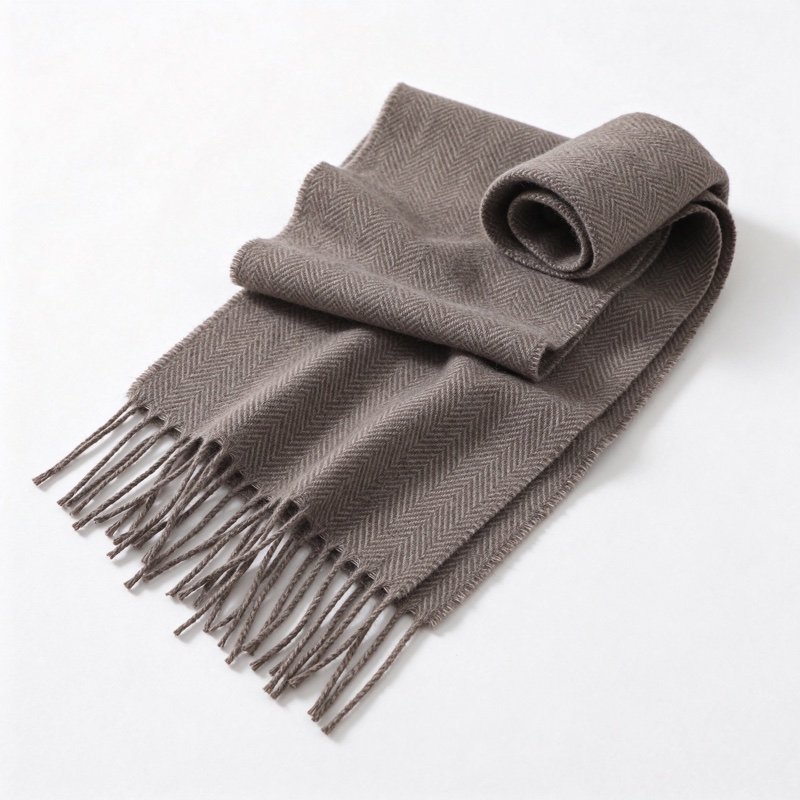
Scarves
Wool blend, herringbone
Ref. uhxsc30005
View product ↗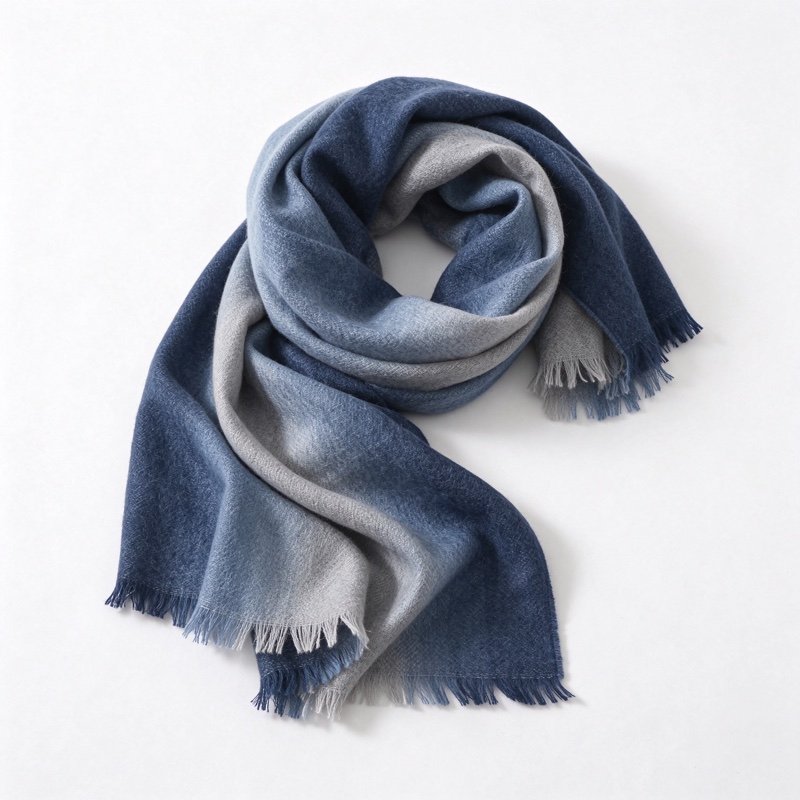
Scarves
Acrylic knit, ombre dye
Ref. uhxsc30006
View product ↗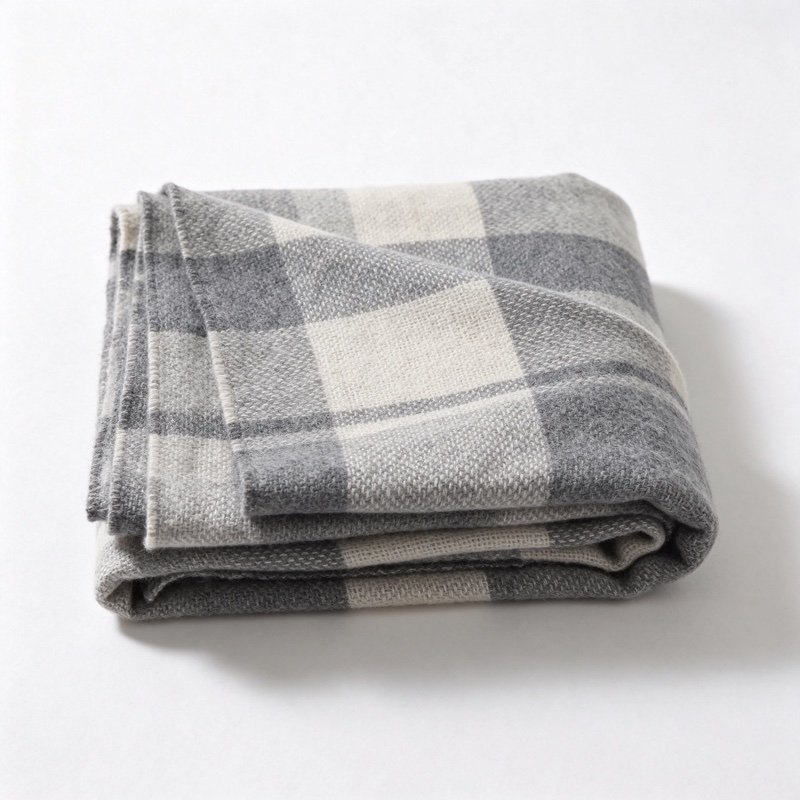
Scarves
Acrylic-wool blend, oversized
Ref. uhxsc30007
View product ↗
Scarves
Acrylic knit, seed stitch
Ref. uhxsc30008
View product ↗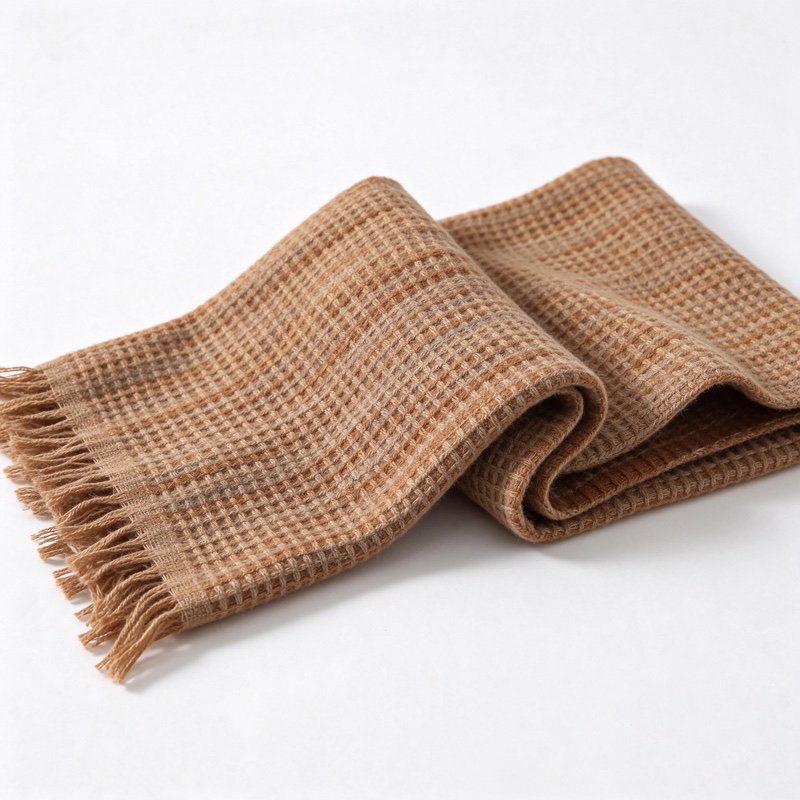
Scarves
Acrylic knit, waffle texture
Ref. uhxsc30009
View product ↗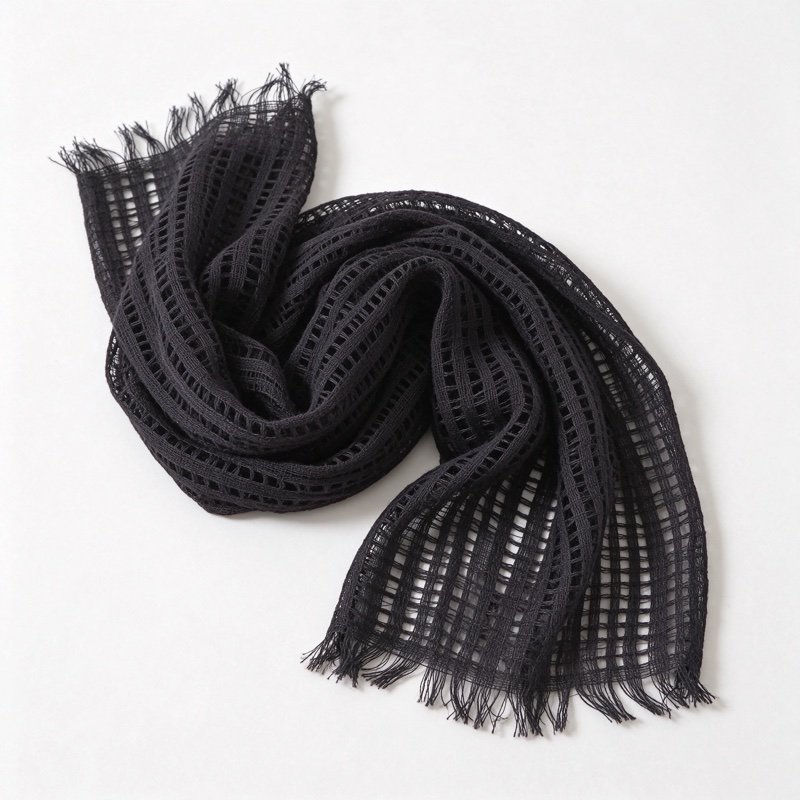
Scarves
Acrylic knit, ladder rib
Ref. uhxsc30010
View product ↗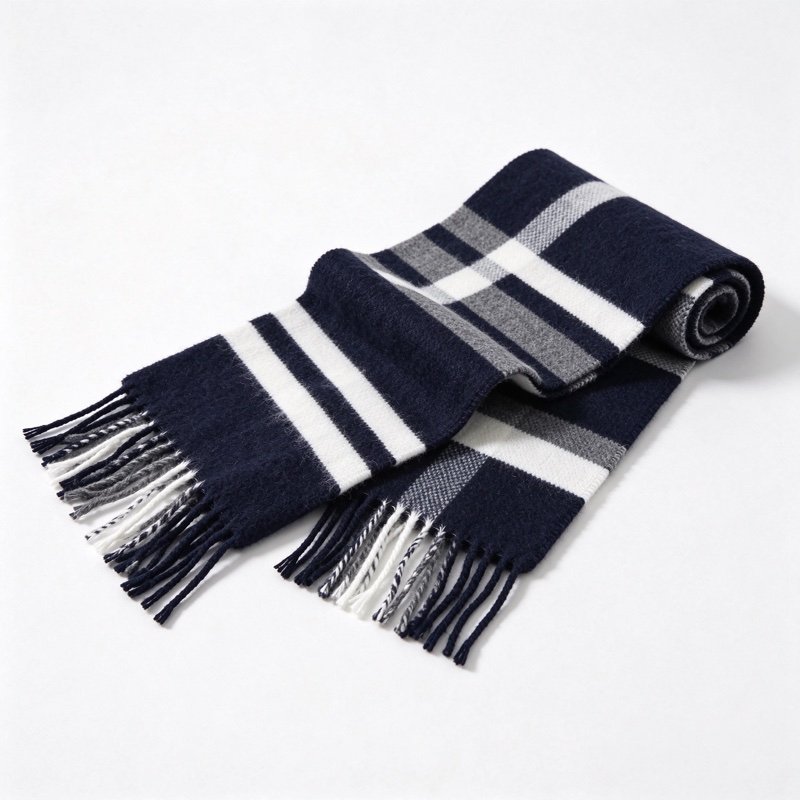
Scarves
Acrylic knit, contrast stripes
Ref. uhxsc30011
View product ↗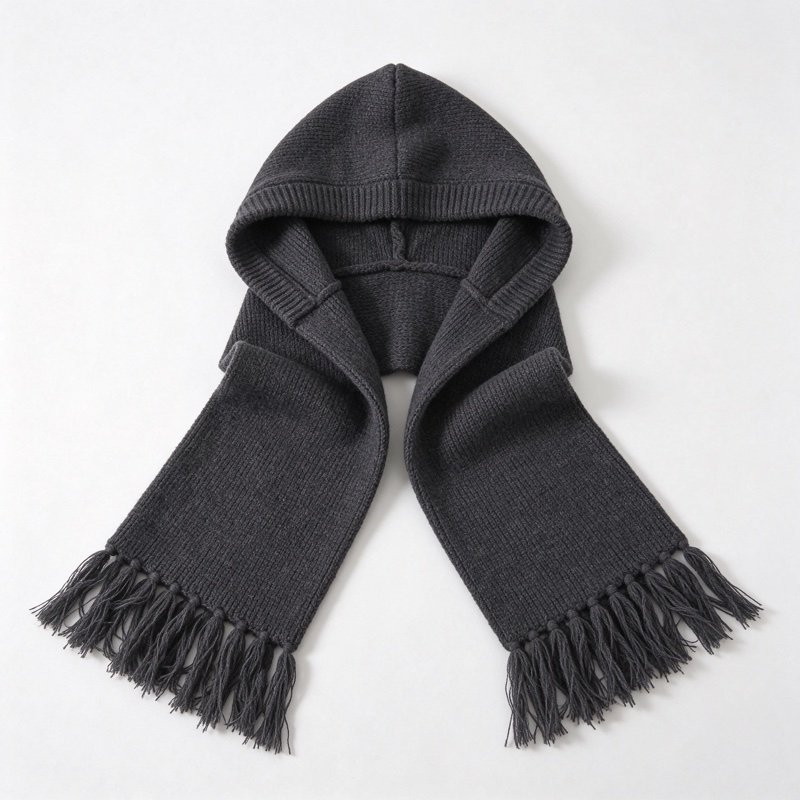
Scarves
Acrylic knit, hood attached
Ref. uhxsc30012
View product ↗
Scarves
Faux fur, long pile
Ref. uhxsc30013
View product ↗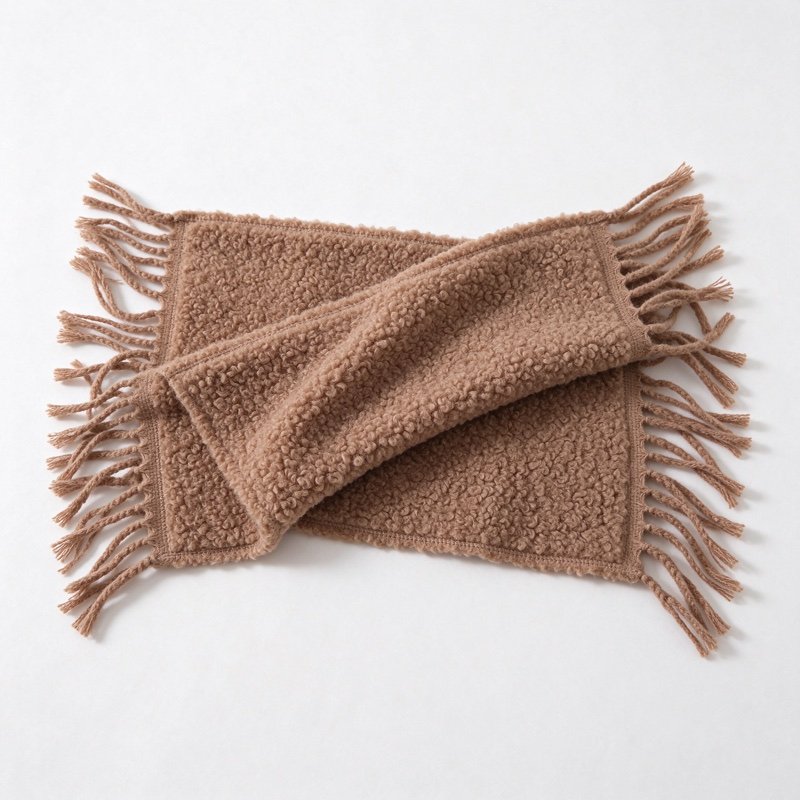
Scarves
Teddy fleece, soft pile
Ref. uhxsc30014
View product ↗
Scarves
Faux rabbit fur
Ref. uhxsc30015
View product ↗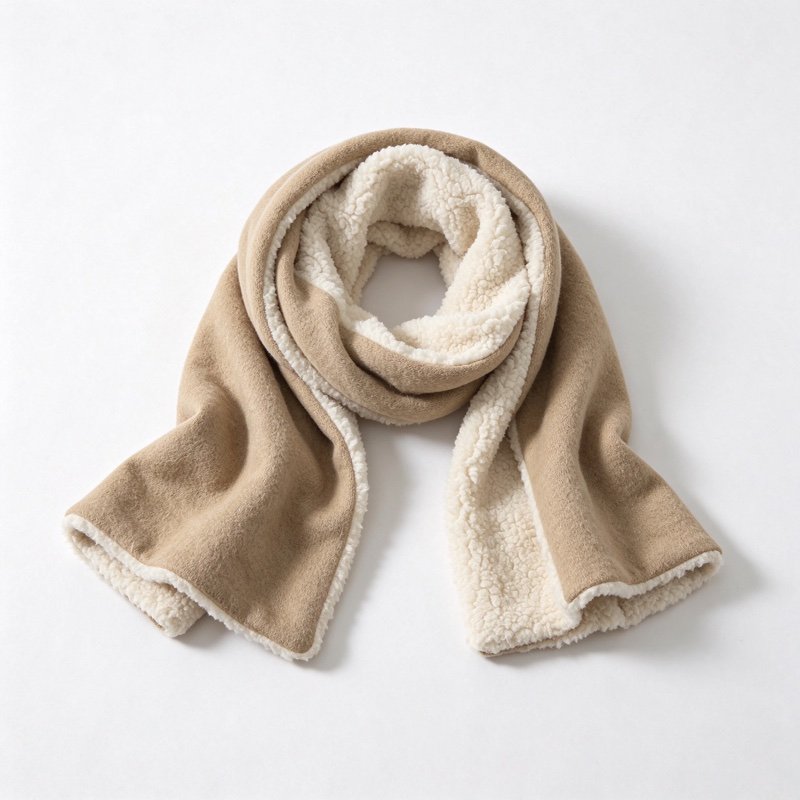
Scarves
Sherpa lining, woven shell
Ref. uhxsc30016
View product ↗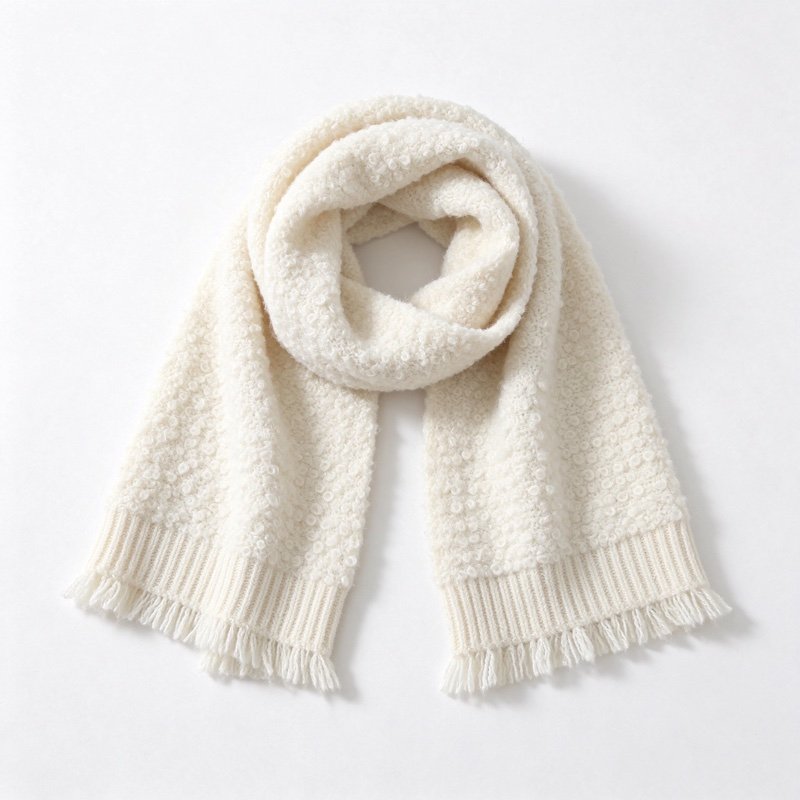
Scarves
Boucle yarn, brushed
Ref. uhxsc30017
View product ↗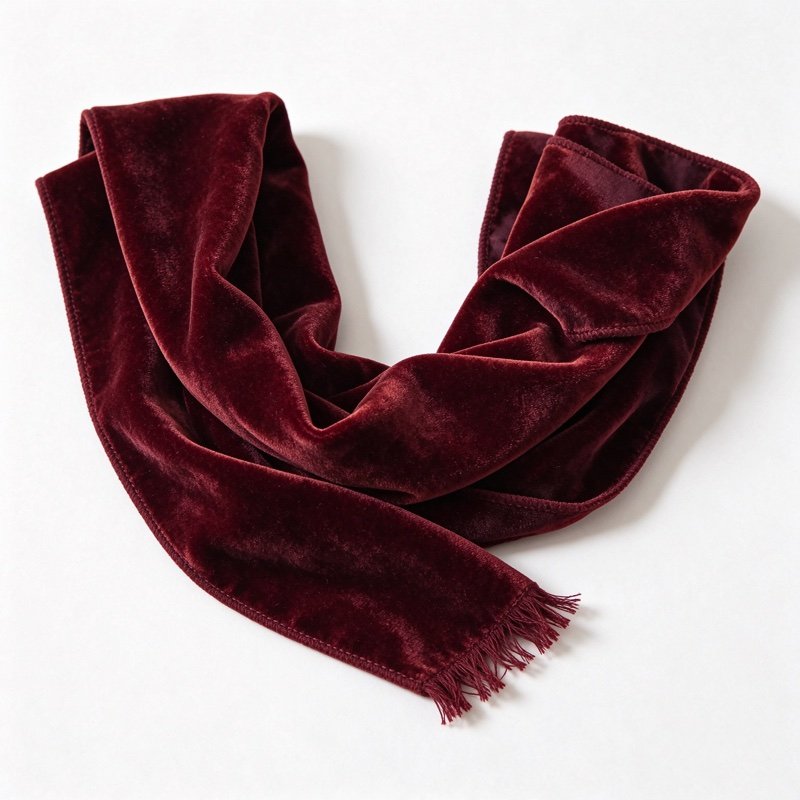
Scarves
Velvet plush fabric
Ref. uhxsc30018
View product ↗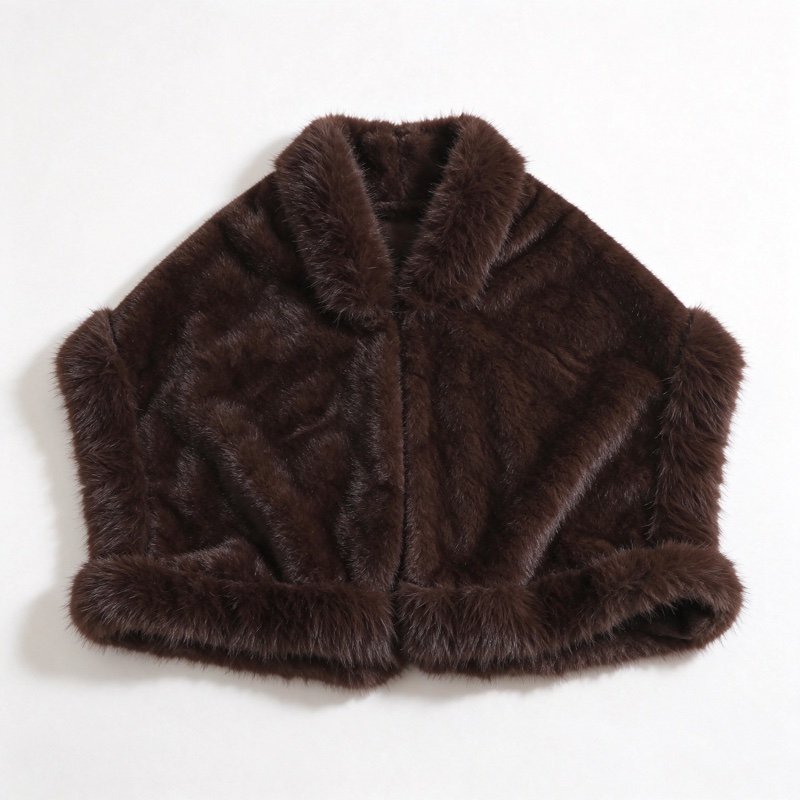
Scarves
Faux mink, stole shape
Ref. uhxsc30019
View product ↗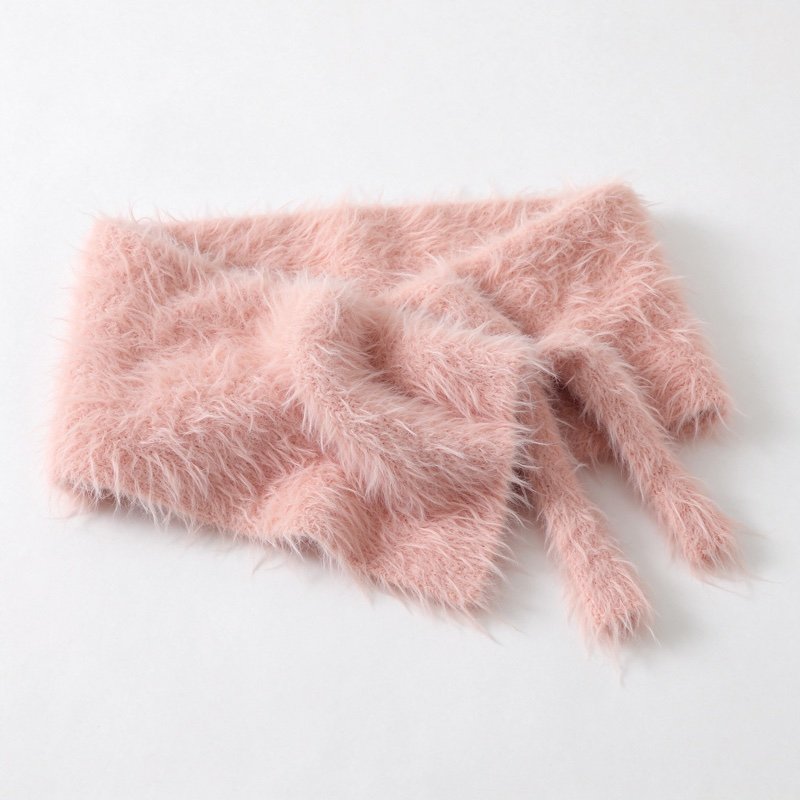
Scarves
Eyelash yarn, fuzzy
Ref. uhxsc30020
View product ↗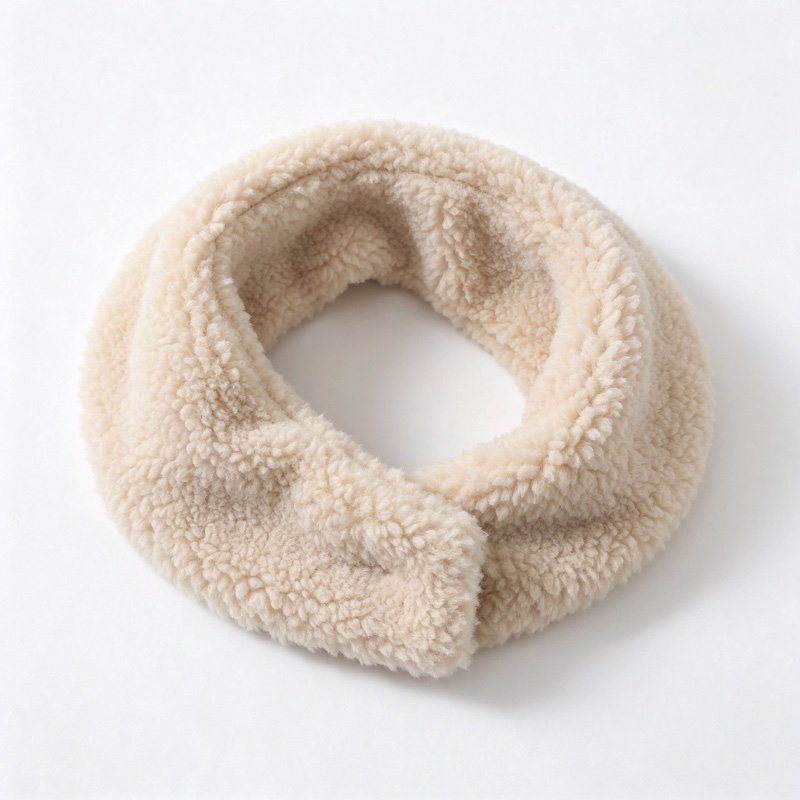
Scarves
Faux shearling collar
Ref. uhxsc30021
View product ↗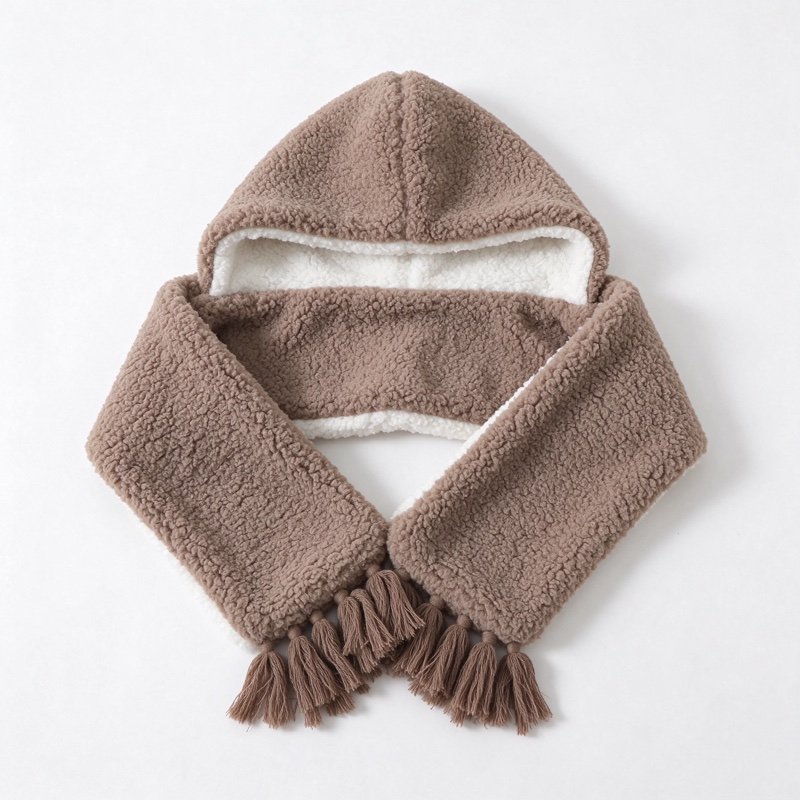
Scarves
Teddy fleece, hooded
Ref. uhxsc30022
View product ↗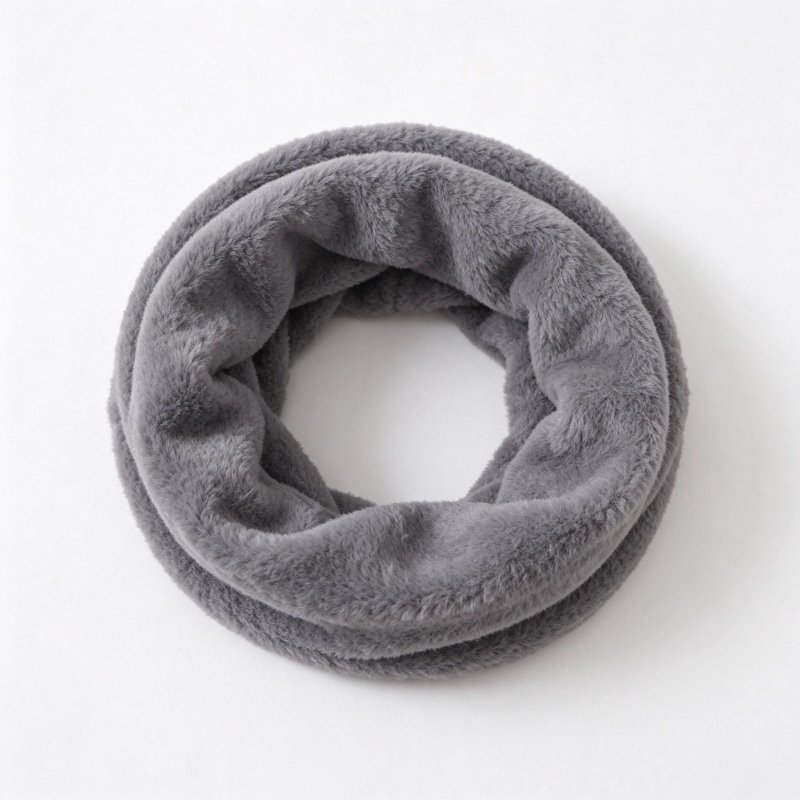
Scarves
Plush knit, snood
Ref. uhxsc30023
View product ↗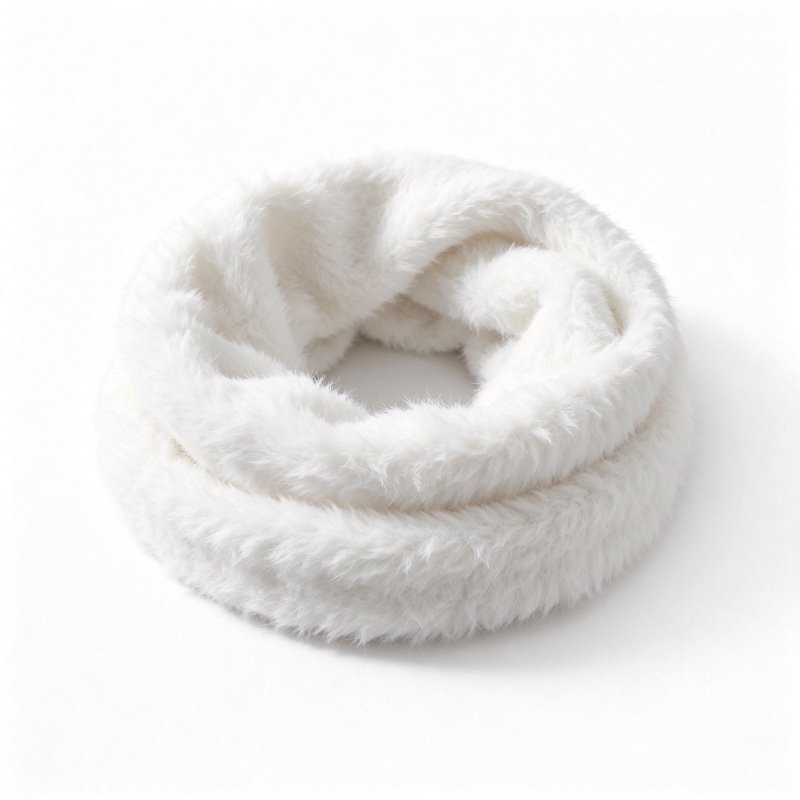
Scarves
Faux fur, infinity loop
Ref. uhxsc30024
View product ↗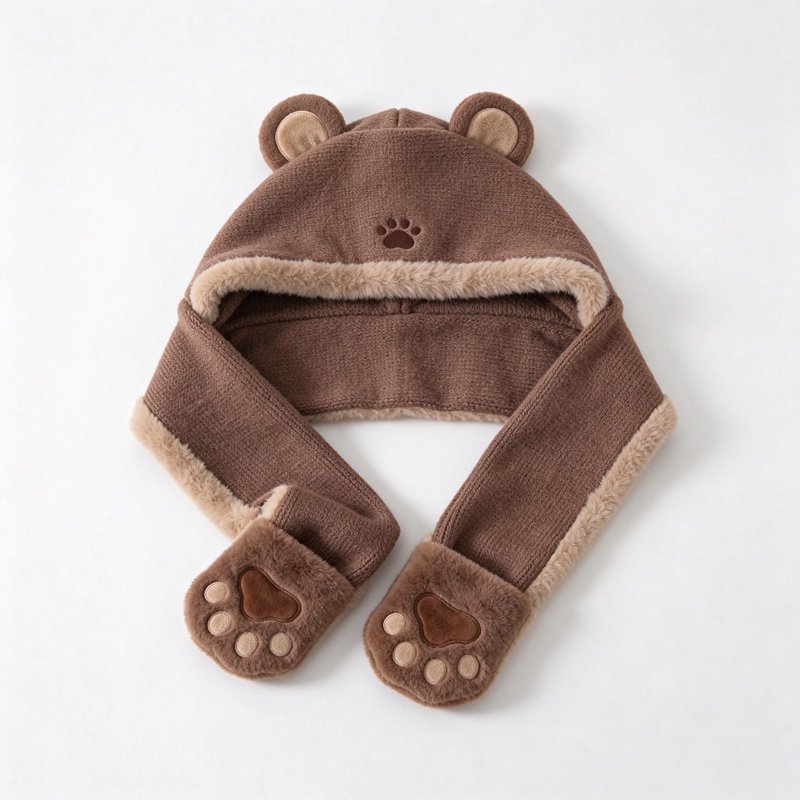
Scarves
Acrylic knit, bear ears
Ref. uhxsc30025
View product ↗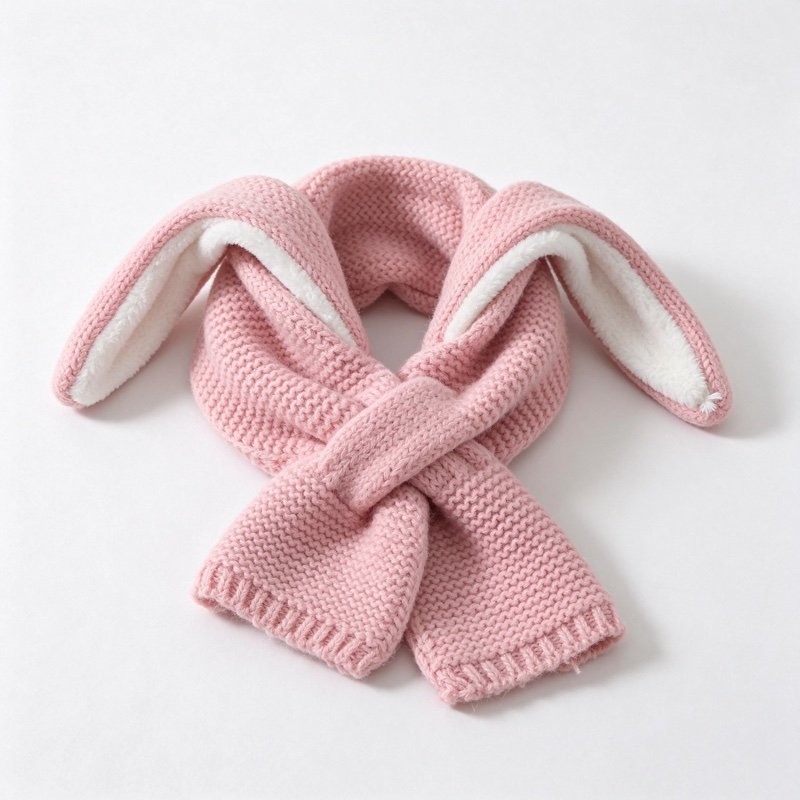
Scarves
Acrylic knit, bunny ears
Ref. uhxsc30026
View product ↗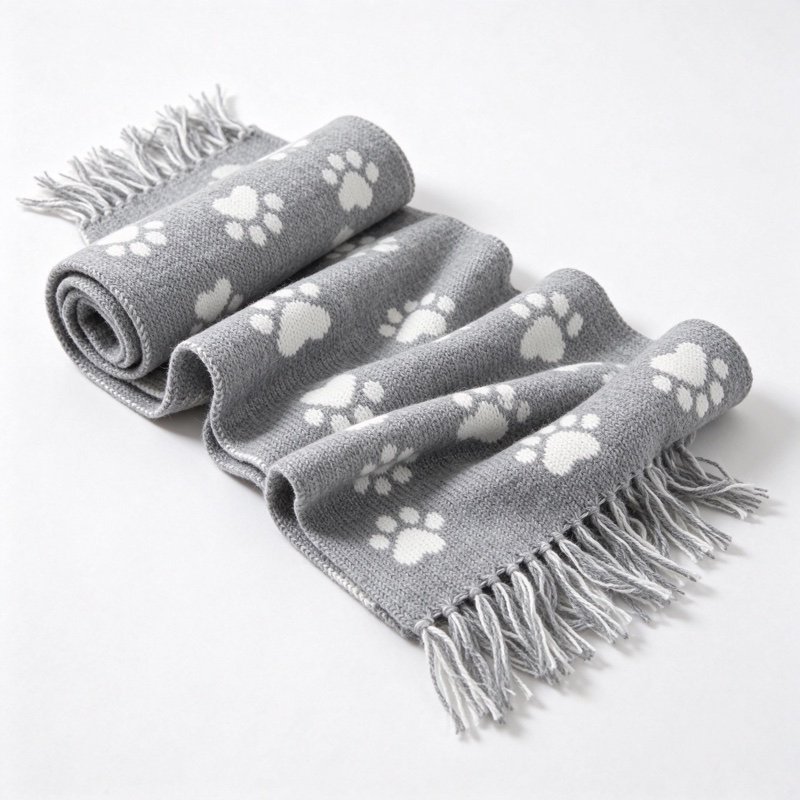
Scarves
Acrylic knit, paw print
Ref. uhxsc30027
View product ↗
Scarves
Acrylic knit, jacquard cartoon
Ref. uhxsc30028
View product ↗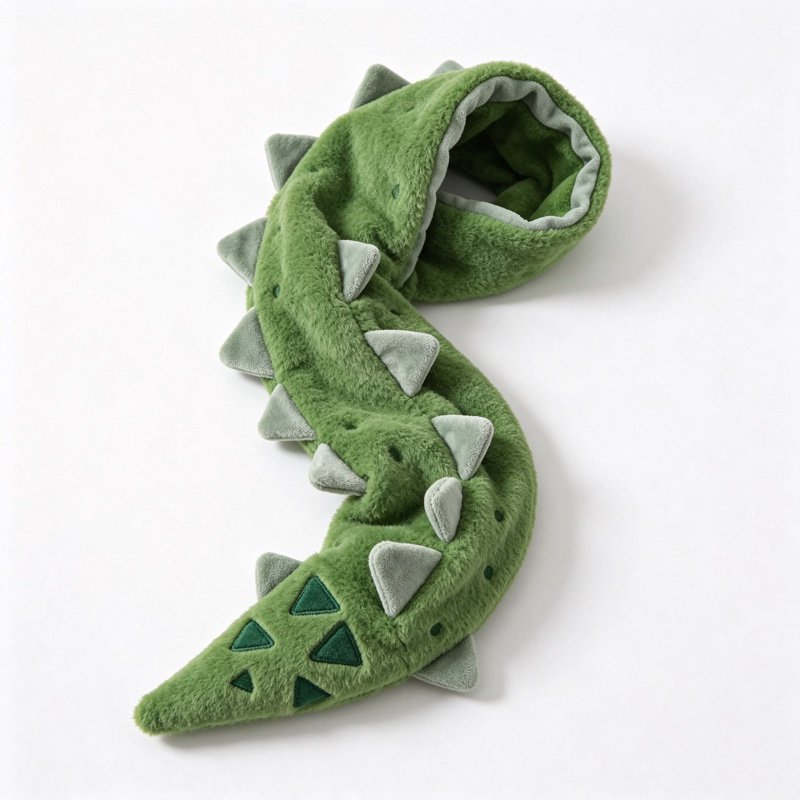
Scarves
Fleece, dinosaur tail
Ref. uhxsc30029
View product ↗
Scarves
Acrylic knit, panda motif
Ref. uhxsc30030
View product ↗
Scarves
Fleece, antler hood
Ref. uhxsc30031
View product ↗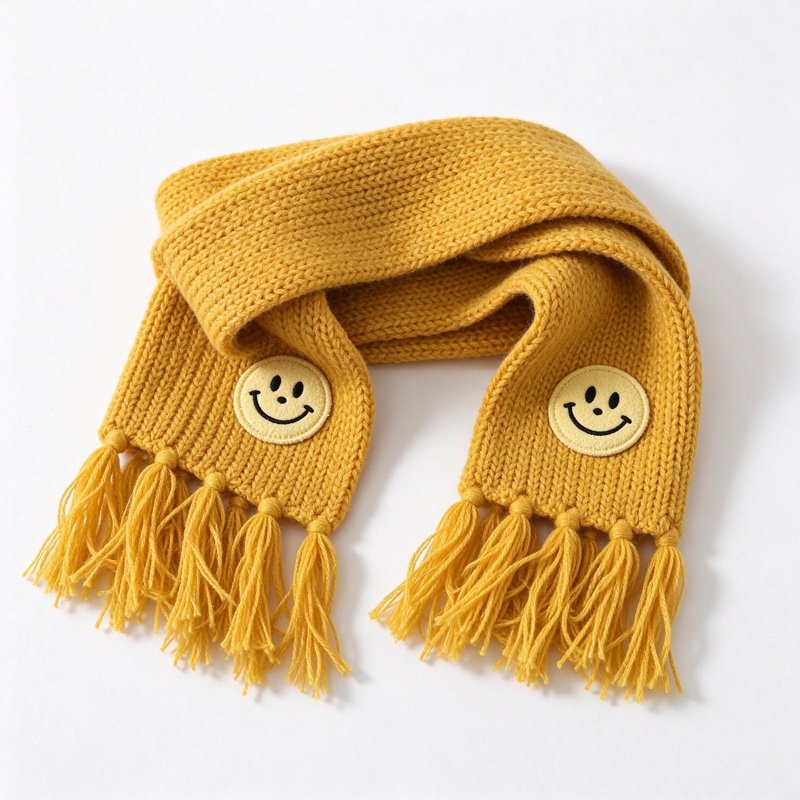
Scarves
Acrylic knit, smiley patch
Ref. uhxsc30032
View product ↗
Scarves
Acrylic knit, unicorn horn
Ref. uhxsc30033
View product ↗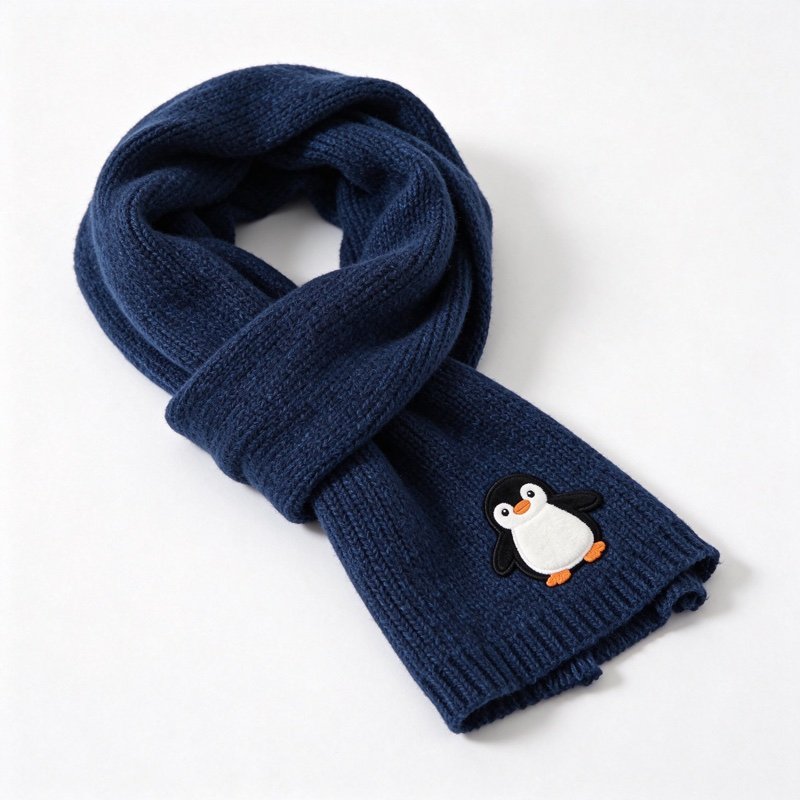
Scarves
Acrylic knit, penguin applique
Ref. uhxsc30034
View product ↗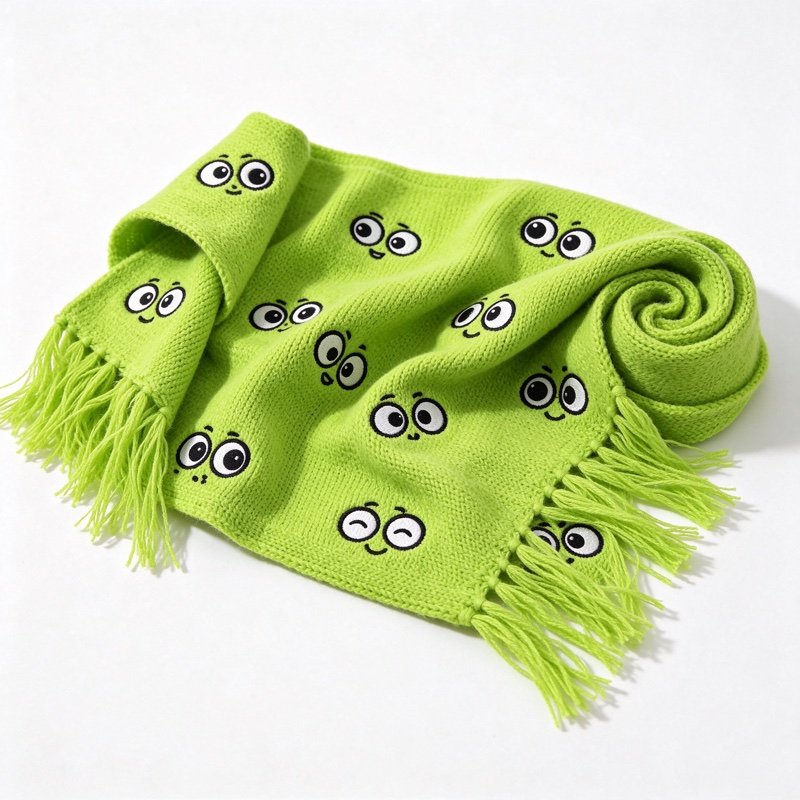
Scarves
Acrylic knit, googly eyes
Ref. uhxsc30035
View product ↗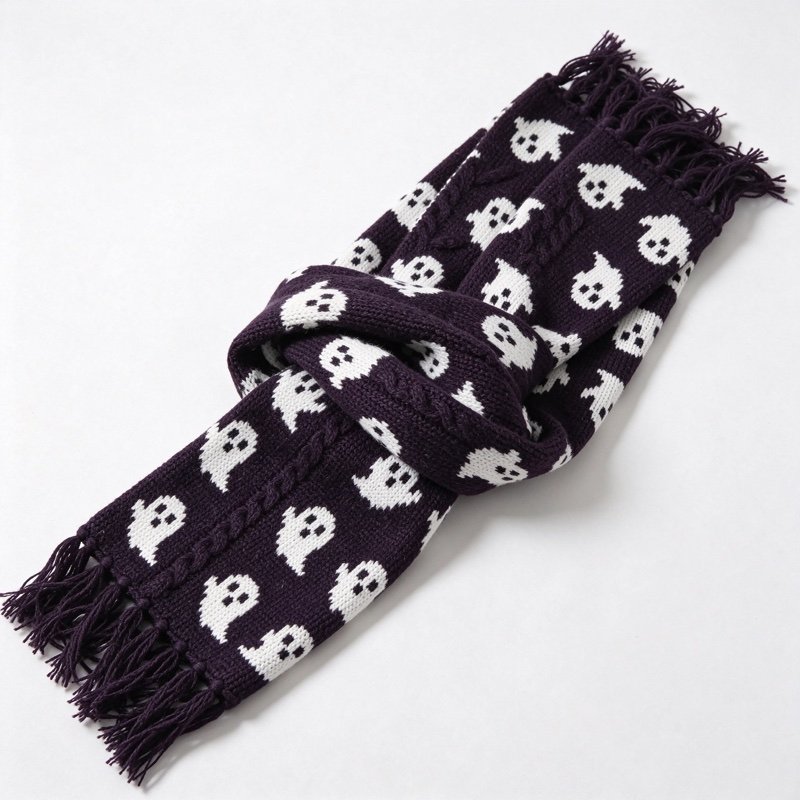
Scarves
Acrylic knit, ghost print
Ref. uhxsc30036
View product ↗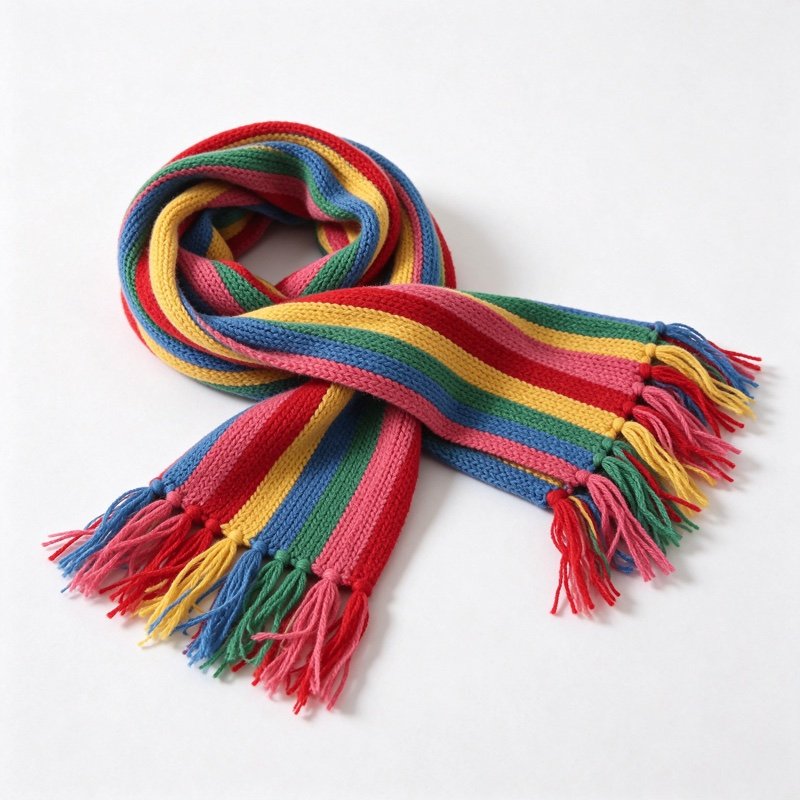
Scarves
Acrylic knit, rainbow stripes
Ref. uhxsc30038
View product ↗No matching styles. Try another search or send us your reference.
A scarf is sold on drape, not on a flat photo. Two pieces cut to the same size hang differently because of yarn, structure and finish, and those three properties are what a buyer has to lock down before sampling starts.
Knitted scarves stretch in both directions and read soft and casual; woven scarves hold a crisp edge, take a tighter weave and suit a dressier brief. The choice fixes the hand feel far more than any colour decision, and it also fixes the finishing: a knit usually takes a fringe or a plain edge, a woven piece takes a fringe, a rolled hem or a hand-knotted end.
Acrylic carries the volume business and prints well; a wool blend adds warmth and a drier hand; a brushed or faux-fur surface turns the piece into a fashion accessory and raises both the cost and the care requirement. Where the surface is brushed, nap direction matters, because it changes how the colour reads in a photograph and how the scarf falls on a neck.
Length, width and weight are quoted separately, and together they decide whether the piece wraps once, twice, or hangs as a stole. A long narrow scarf and a short wide one can both be sold as a winter scarf, so the specification sheet states finished length, finished width and finished weight, measured after washing rather than before.
Jacquard puts the pattern into the structure, so it survives wear and shows on both faces; printing sits on the surface and is the cheaper route for multi-colour artwork, but it has to be tested for crocking on the finished yarn. Colour blocking, tipping and contrast fringing are written as placement — which end, how many bands, how wide — rather than as adjectives.
Fringe length, twist, hem depth and the way the piece is folded into its polybag all affect the retail presentation. A scarf folded twice sits flat in the carton but shows a crease on the shelf; a scarf rolled around a board arrives round. Packing is agreed at sampling, together with label position and the hangtag attachment point.
Minimums are quoted per style and per colourway, and a first order usually runs in one or two colourways so the yarn can be placed economically. Sampling precedes bulk, and the approved sample is sealed as the production reference. Lead time is counted from sample approval rather than from the order date, transit is quoted against the agreed Incoterm, and pre-shipment inspection checks measurement, colour, fringe and packing against the sealed piece.
Should I order knitted or woven scarves? Knitted pieces suit soft, casual and volume programmes; woven pieces suit structured, dressier briefs and hold a printed edge better. The decision follows the shelf you are selling into, not the price alone.
Can you match a colour across a set? Yes. Where a scarf, hat and glove ship as one story, the shades are approved on the same yarn family so the three pieces read as a set under the same light.
What fringe options are available? Plain fringe, twisted fringe, knotted fringe and a clean hem are all specified with length in centimetres. Fringe length is measured on the finished piece, because it changes after washing.
How is the scarf packed? Flat fold, roll on board, or a hanger-ready presentation, each with its own polybag and label placement. Packing is fixed at sampling so the carton count stays predictable.
How long does production take? Production runs 25 to 35 days after sample approval for most knitted and woven styles. Transit is quoted separately and depends on the Incoterm agreed with your forwarder.
Knit versus woven scarves sets out the structural trade-offs; hat, scarf and glove colour planning covers colourways that work across a set; sizing and fit lists the measurement points; MOQ and sampling explains how a first order is structured. For artwork and labels, start from customisation, or send your reference style through contact.
BUYER RESOURCES
START A CONVERSATION
Tell us what you need. Our export team will reply to your enquiry.